


Instantly match your orders with your best couriers


Built for Every Q-Commerce Operation


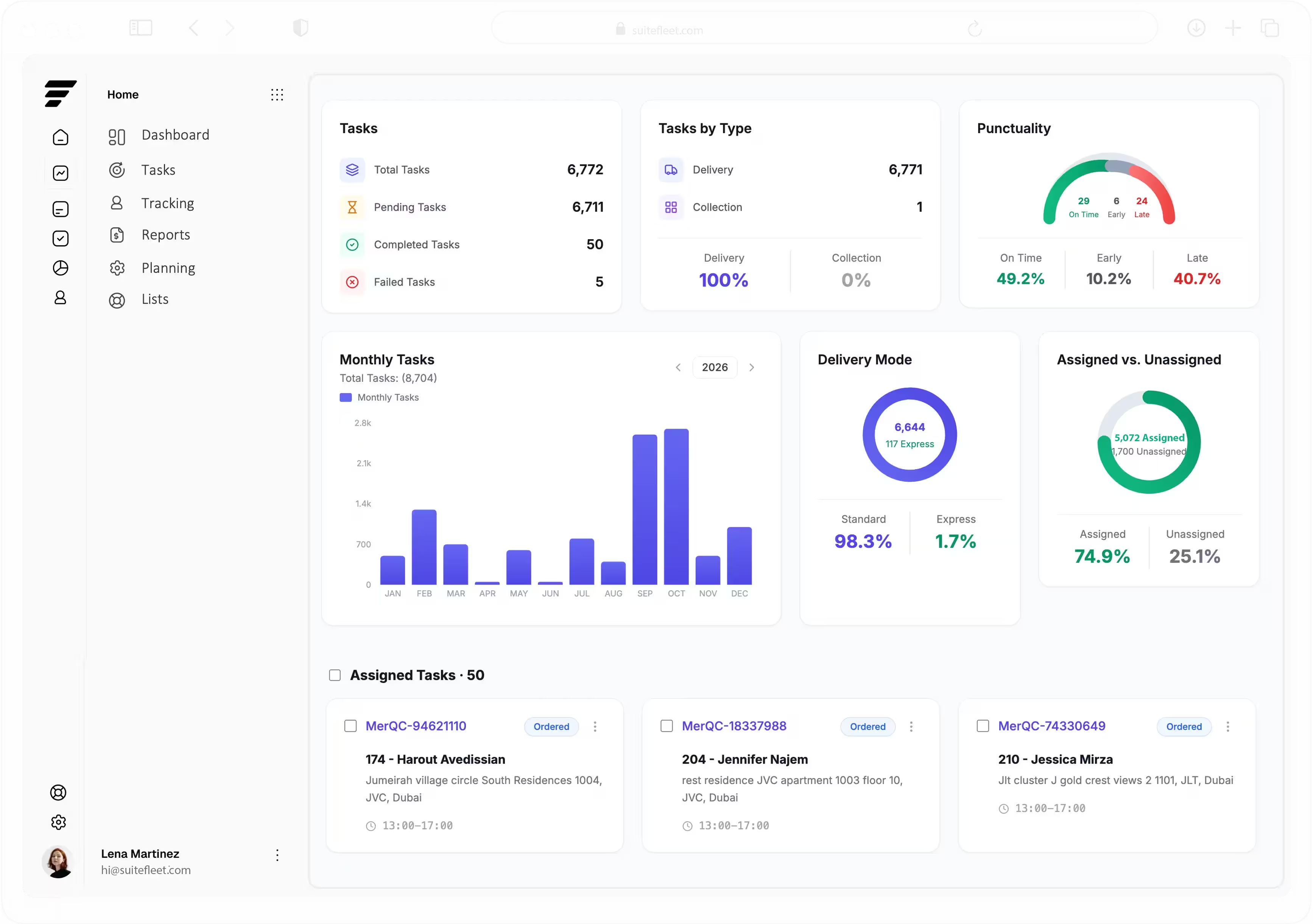
Dispatch the Nearest Rider in Seconds
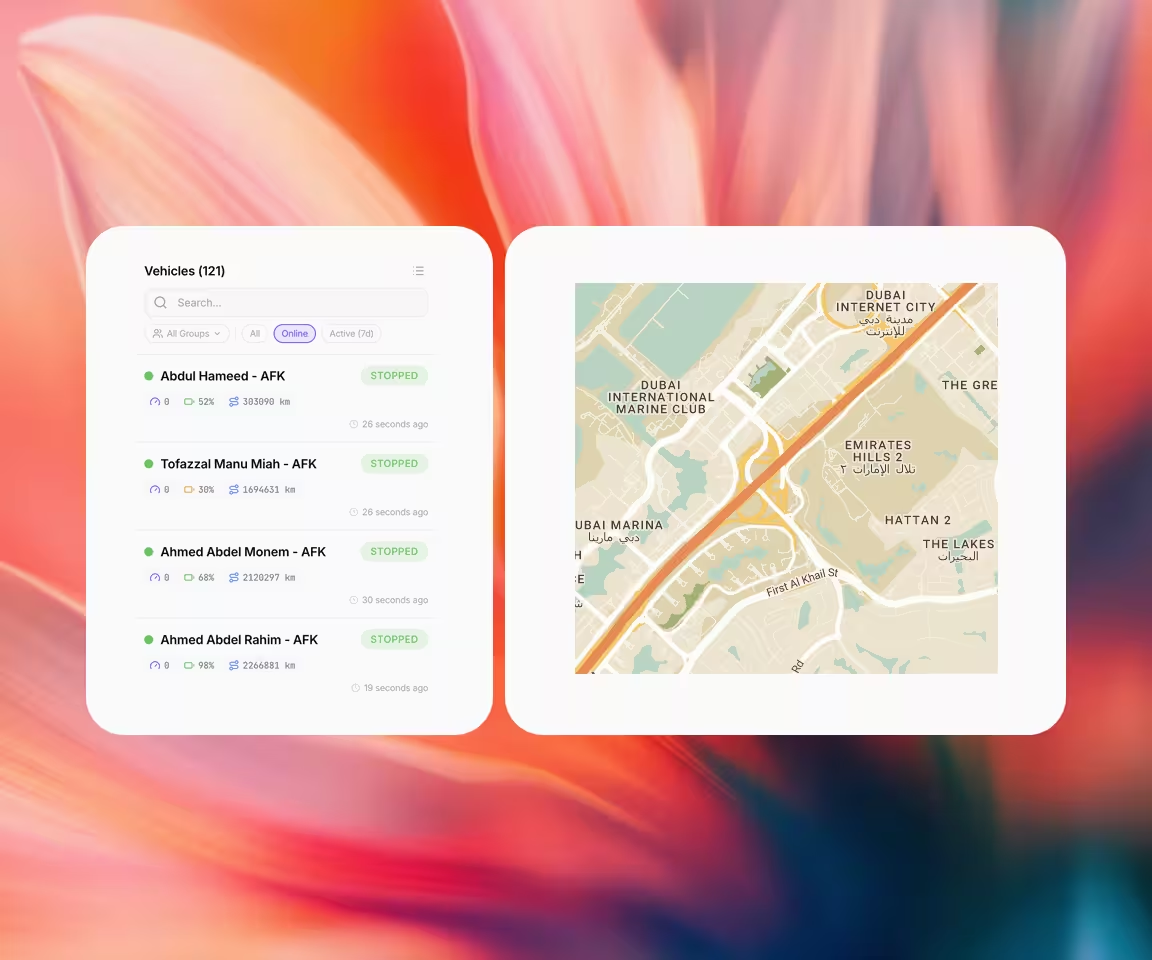
Manage Riders, Exceptions, and Cash in One Place
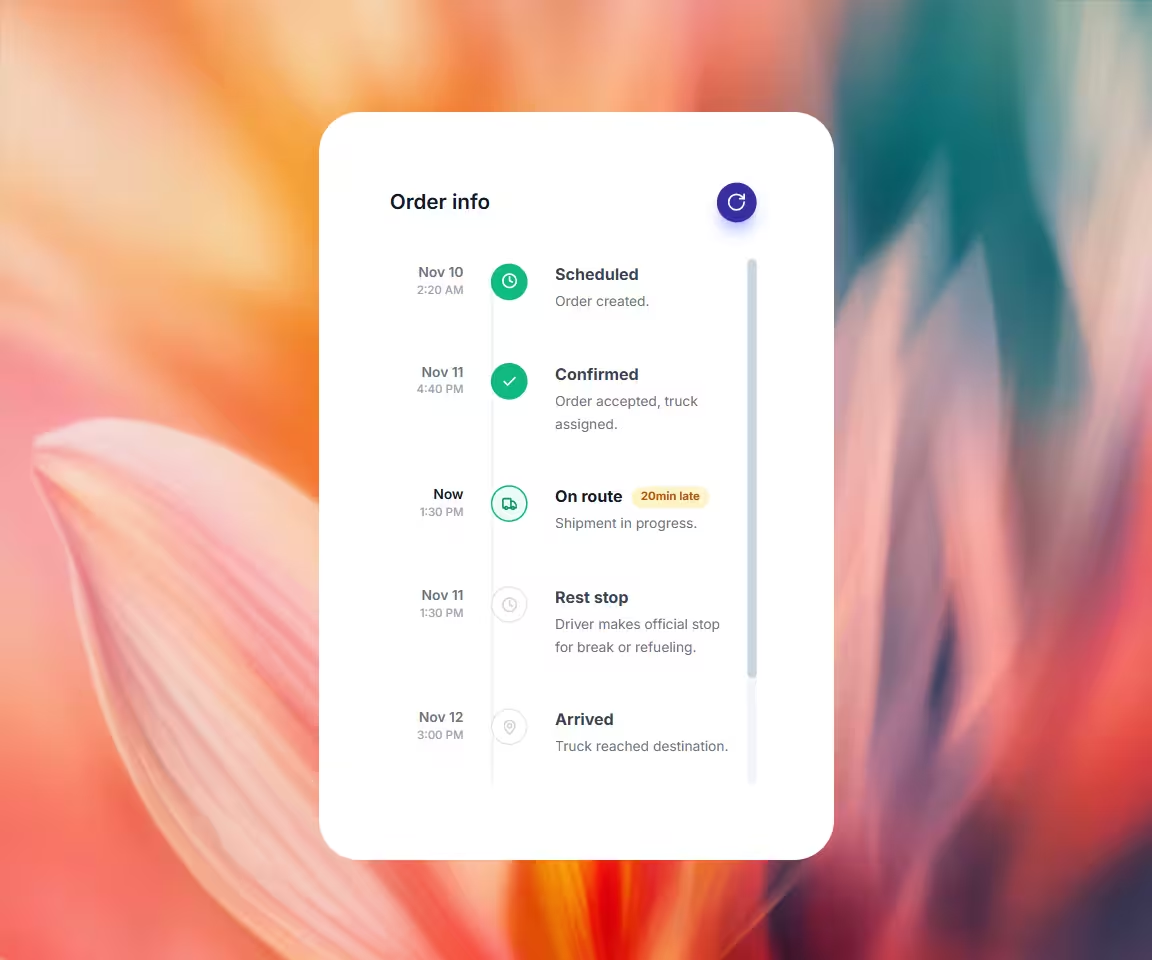
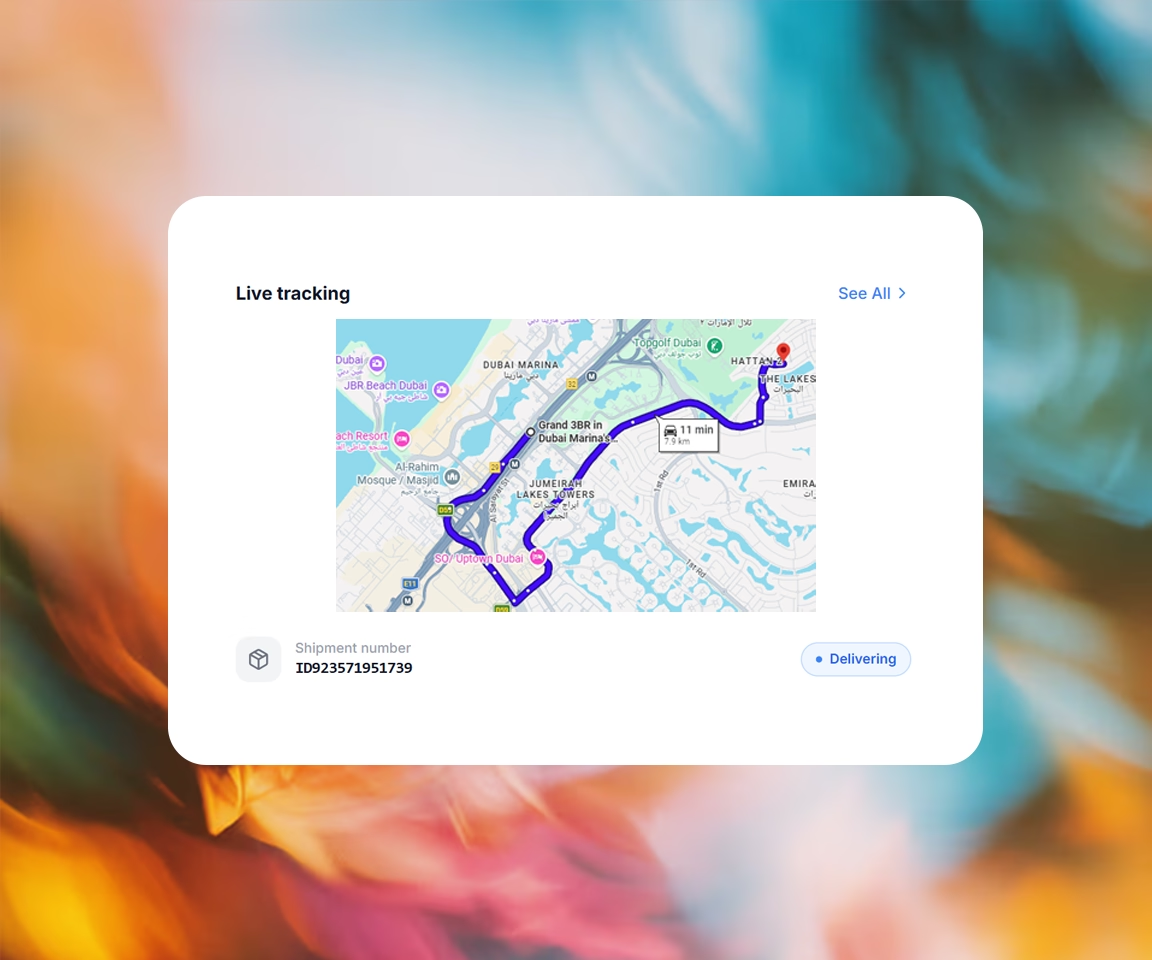
Track Every Order Live, Confirm Every Drop
Everything You Need to Know


At checkout, SuiteFleet matches the customer's address against the live dark-store radius and the stock your systems hold — returning a real window and price before the order is placed.
The moment an order is confirmed, SuiteFleet assigns it to the closest available rider automatically — batching nearby drops when timing allows and re-dispatching instantly on cancellations.
Yes. Bikes, cars, and on-demand riders work the same zone and are matched per order based on availability and load.
Yes. SuiteFleet catches bad addresses at checkout with suggested corrections — before a rider is ever assigned.
SuiteFleet pins the exact location where each order was handed over and writes it back to the source order record.
You pre-configure rider slots, zone radius, and capacity overrides for recurring peaks. SuiteFleet applies them automatically on the scheduled date.
SuiteFleet applies your configured reattempt rule per failure reason and dispatches a rider to collect returns directly from the customer's door.
Yes. When a store is short on stock, SuiteFleet routes the order to the next available store in the zone.
Yes. SuiteFleet sends templated milestone alerts at each delivery stage — dispatched, en route, arrived, delivered — under your brand.
At end of shift, SuiteFleet reconciles each rider's cash float against the COD recorded in your systems automatically.
Yes. Every delivery event is written back onto the source order record in your ERP, OMS, or platform — no manual sync required.
SuiteFleet connects to ERPs, in-house order management systems, and enterprise platforms. No rip-and-replace required.
Yes. SuiteFleet is a native SuiteApp built on Oracle NetSuite, available on the SuiteApp marketplace.
Yes. Adding stores, zones, or riders does not require a new implementation — SuiteFleet expands within the same platform.
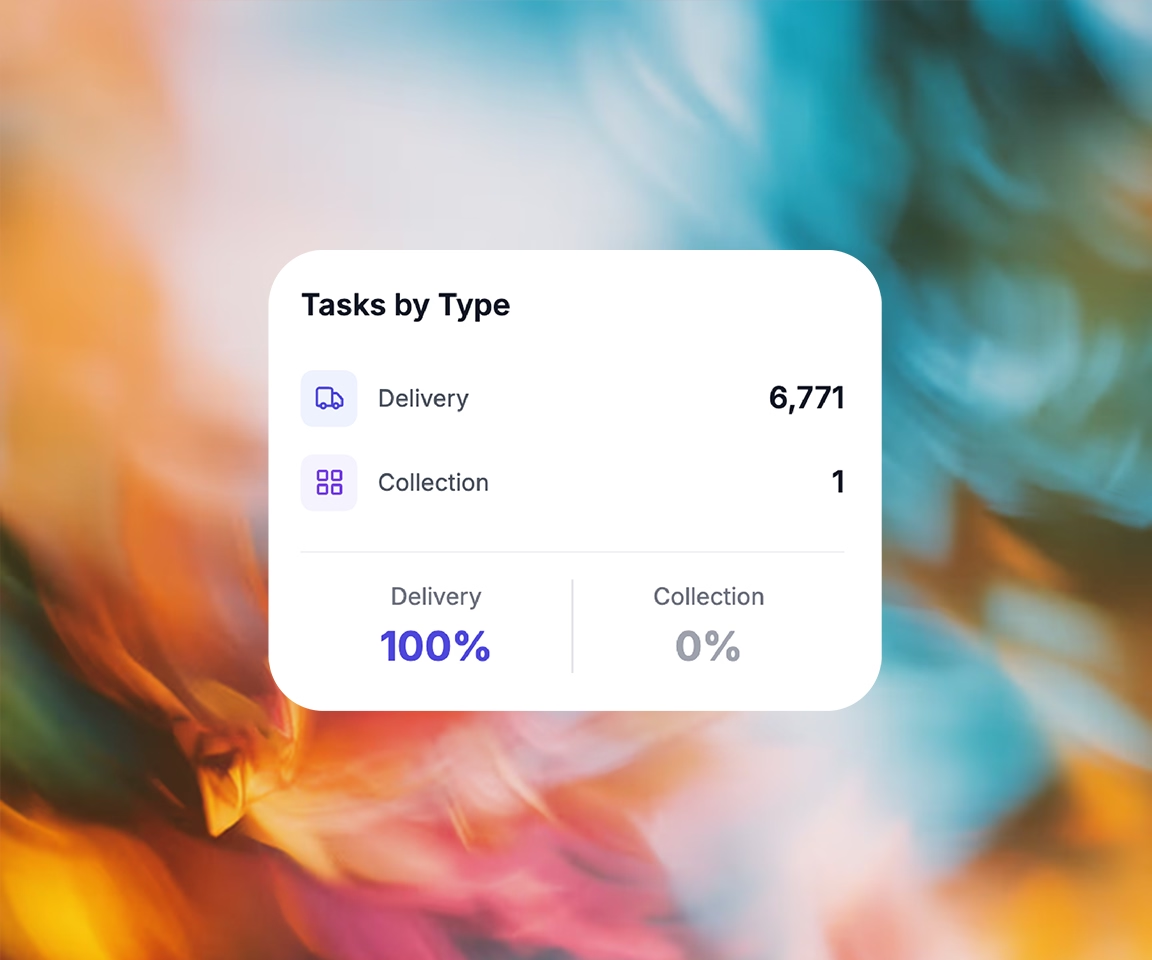
SuiteFleet surfaces cost-per-drop, promised vs. actual delivery time, and SLA variance by store, zone, and hour — on the same record as the order.


