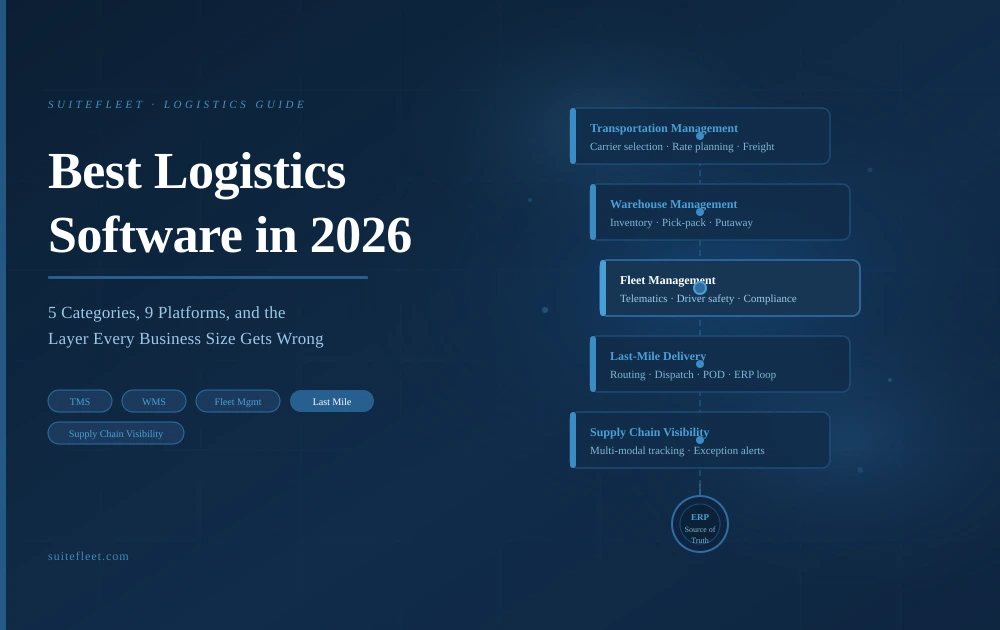
Logistics management software spans five real problem sets: TMS for freight and carrier management, warehouse operations, fleet oversight, last-mile execution, and multi-carrier visibility. Most "best of" lists flatten all five into one ranking, which is why buyers end up shortlisting tools that were never built for their problem.
This guide ranks 30 platforms across TMS, enterprise supply chain suites, freight visibility, and last-mile. The gap every category shares: almost none of them close the loop between execution and the ERP automatically.
SuiteFleet | suitefleet.com
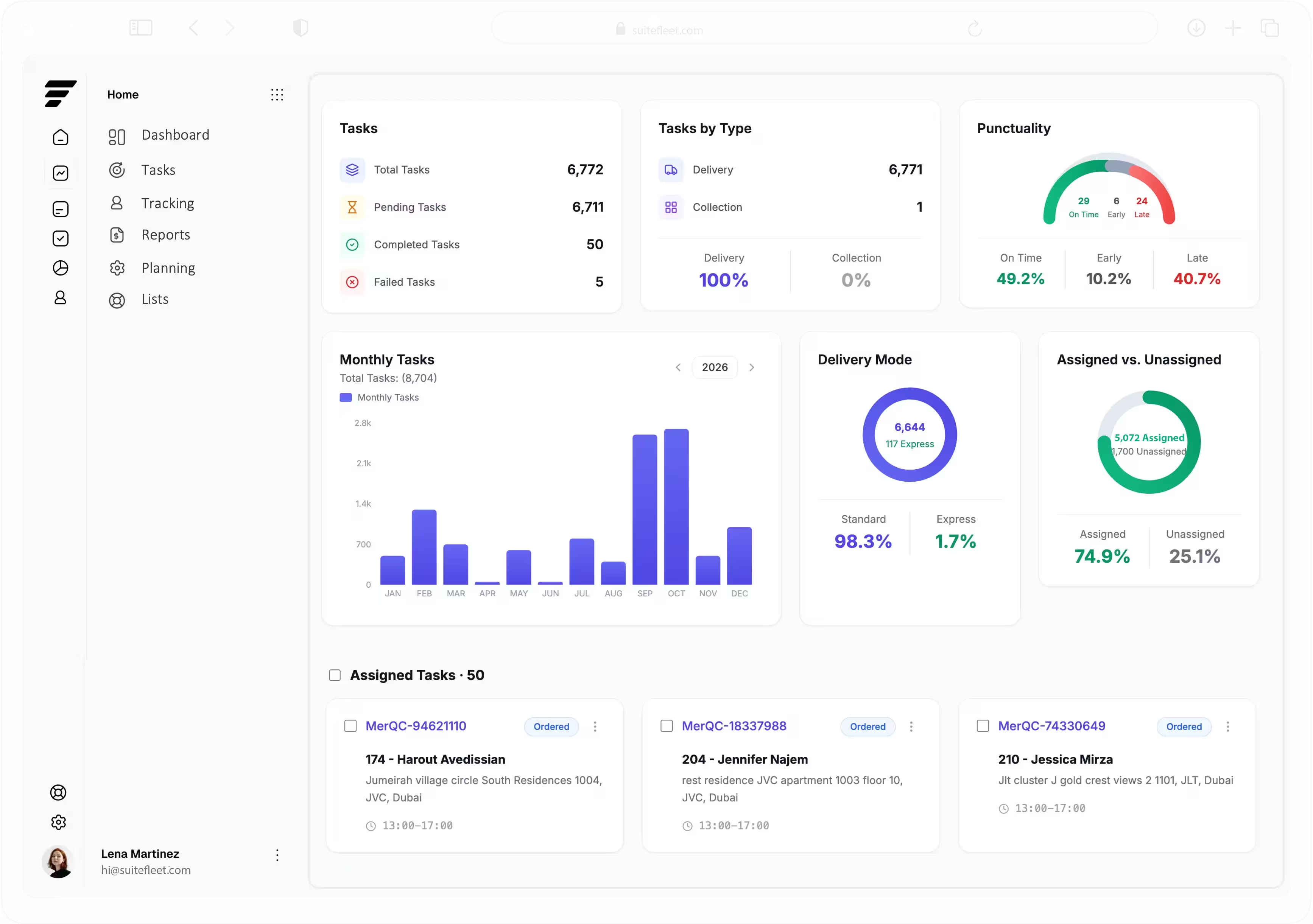
SuiteFleet is delivery execution built natively on Oracle NetSuite, closing the loop most logistics software leaves open between order, delivery, and the ERP. Proof of delivery, status, and cost return to NetSuite, SAP, Salesforce, Odoo, and Dynamics in real time with no middleware.
Reviews: G2
Freight Brokerage & Carrier TMS
AscendTMS | thefreetms.com
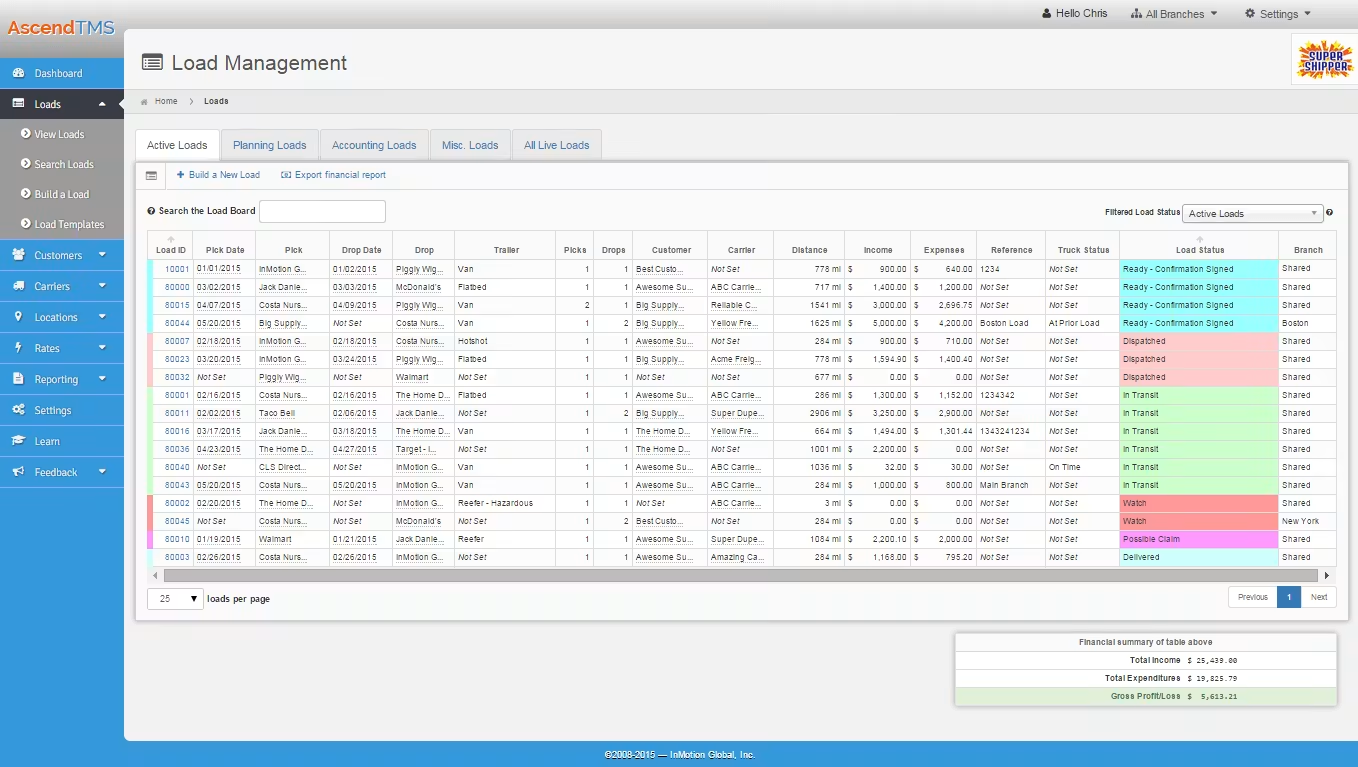
AscendTMS is a free-to-start, browser-based TMS covering load management, dispatch, and accounting for owner-operators and small brokerages, with the highest review volume of any TMS on Capterra. It has no native driver mobile app, and independent reviewers note operations tend to outgrow it around five trucks or 100 daily loads.
Reviews: Capterra 4.9, 361 reviews
Rose Rocket | roserocket.com
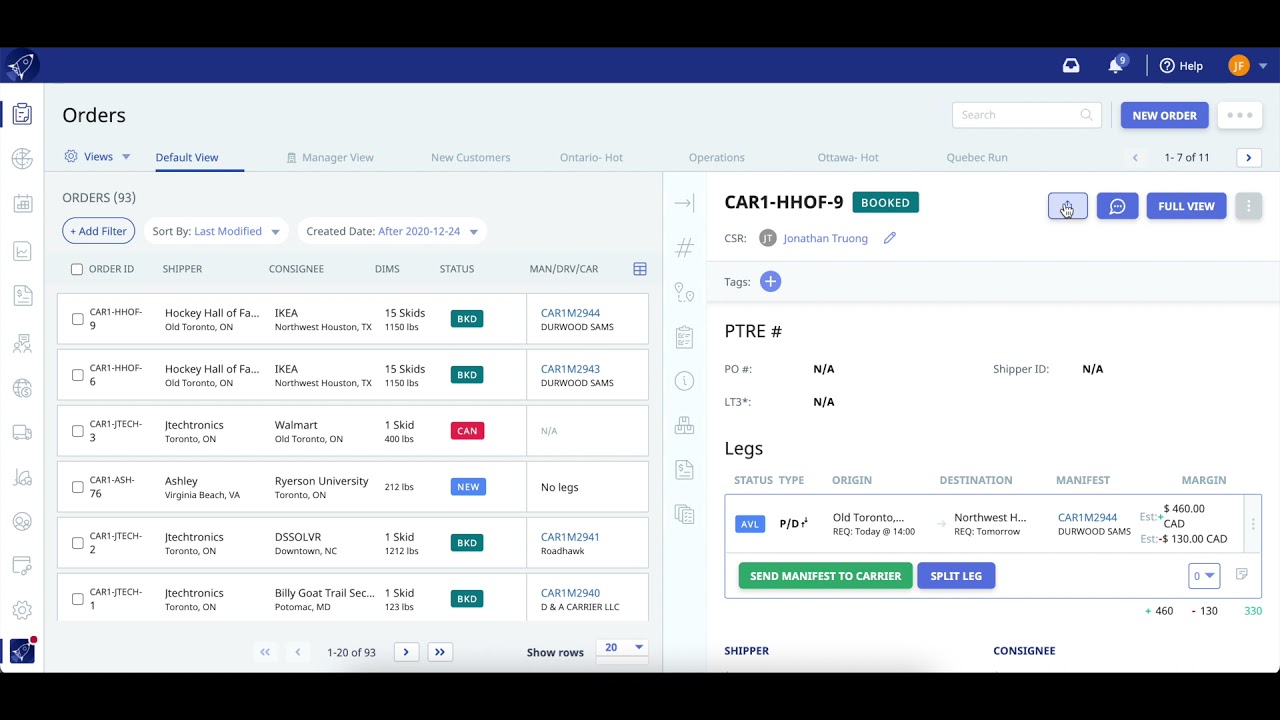
Rose Rocket is a modern TMS for trucking companies and freight brokers, connecting dispatch, customer portals, carrier portals, and invoicing in one workflow instead of stitched-together tools. Reviewers consistently praise its clean interface, with a few noting date and currency formatting defaults to Canadian rather than US standard.
Reviews: G2, reviews
Freightview | freightview.com
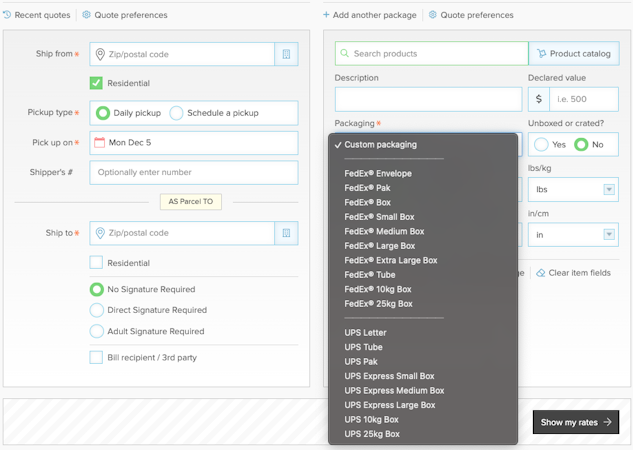
Freightview is a cloud, multi-modal TMS built for shippers who want unlimited functionality at one flat monthly fee, covering rate comparison, tracking, and freight audit. Reviewers consistently praise ease of use and support response time.
Reviews: G2 4.7, ~195 reviews
MyCarrierTMS | mycarriertms.com
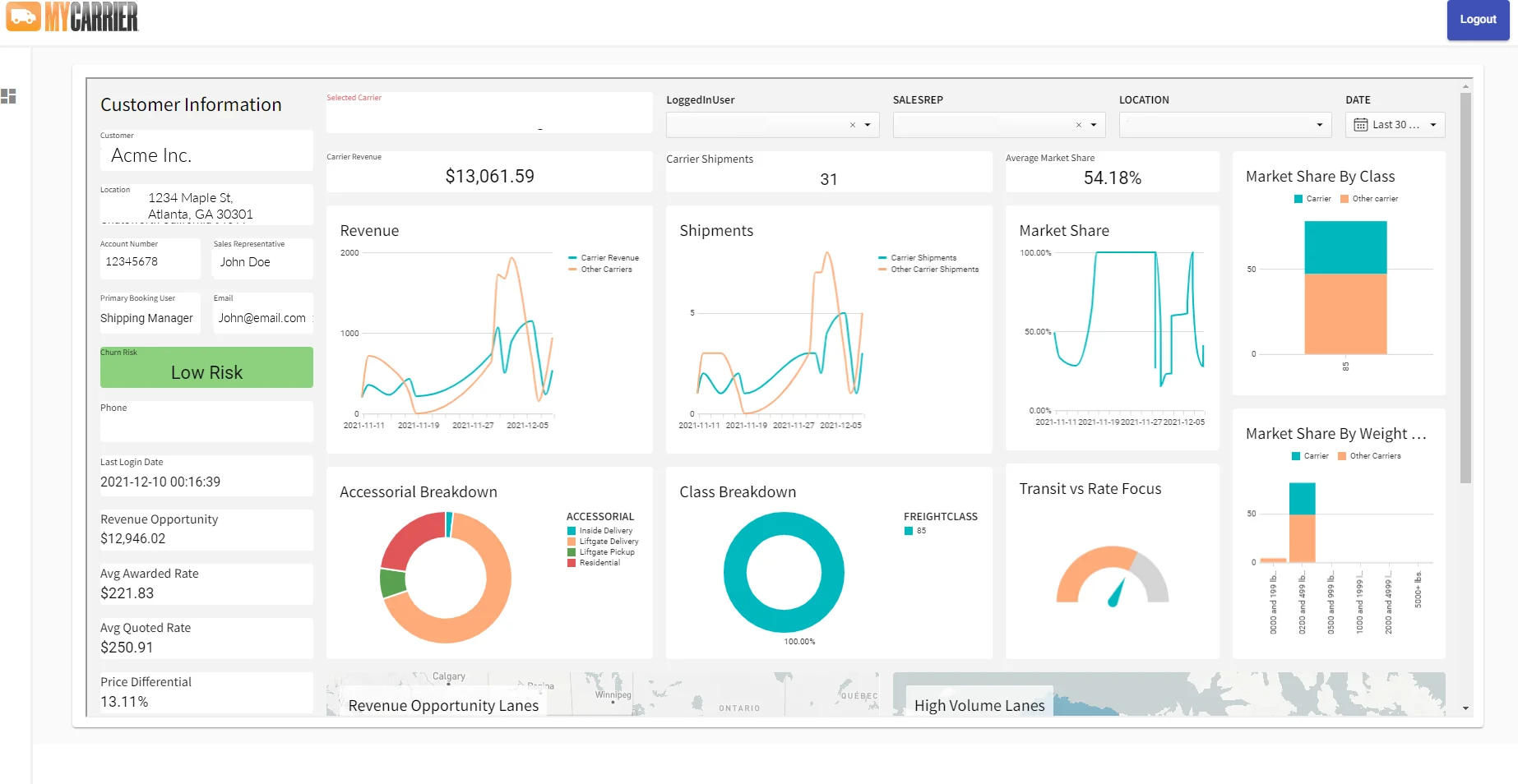
MyCarrierTMS consolidates LTL rate shopping across carriers into one dashboard, with reporting and an invoice hub, aimed squarely at small businesses managing freight in-house. Reviewers highlight quick setup, though a few note the shift from a free to paid tier frustrated early users.
Reviews: G2 4.7, ~173 reviews
DAT Load Board | dat.com
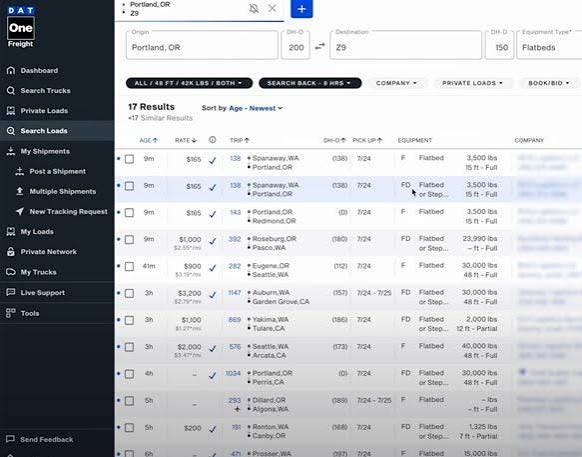
DAT is one of the two dominant load boards in North America, giving carriers and brokers rate benchmarking and load-matching at scale alongside deep market data. It is primarily a freight marketplace, not a full TMS, so it pairs with dispatch or accounting tools rather than replacing them.
Reviews: G2, 84 reviews · Capterra, 239 reviews
ITS Dispatch | truckstop.com/its-dispatch
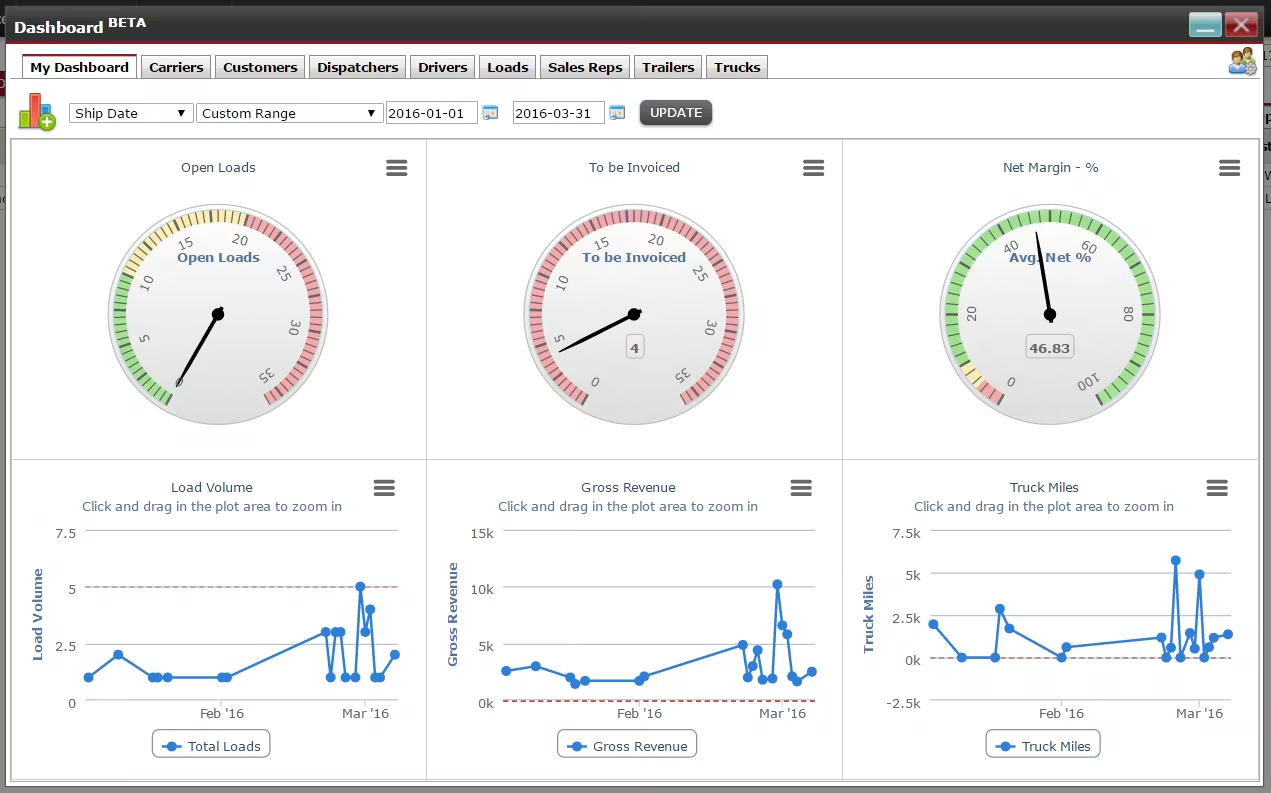
ITS Dispatch is Truckstop.com's flagship TMS for carriers and brokers, bundling IFTA processing, invoicing, and QuickBooks integration for small to mid-sized companies. Reviews are mixed on recent support responsiveness, with some users citing unresolved bugs.
Reviews: G2, reviews · Capterra, reviews
C.H. Robinson Navisphere | chrobinson.com
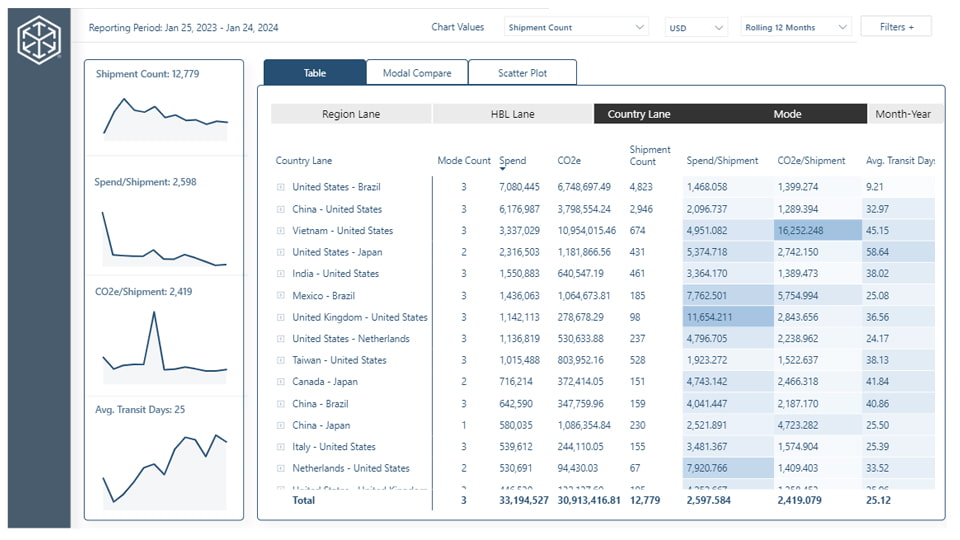
Navisphere is C.H. Robinson's global multimodal TMS, connecting over 540,000 customers and carriers with load optimization, real-time tracking, and settlement in one system. It works best for shippers already inside C.H. Robinson's brokerage network rather than as a neutral platform.
Reviews: Gartner Peer Insights
FreightPOP | freightpop.com
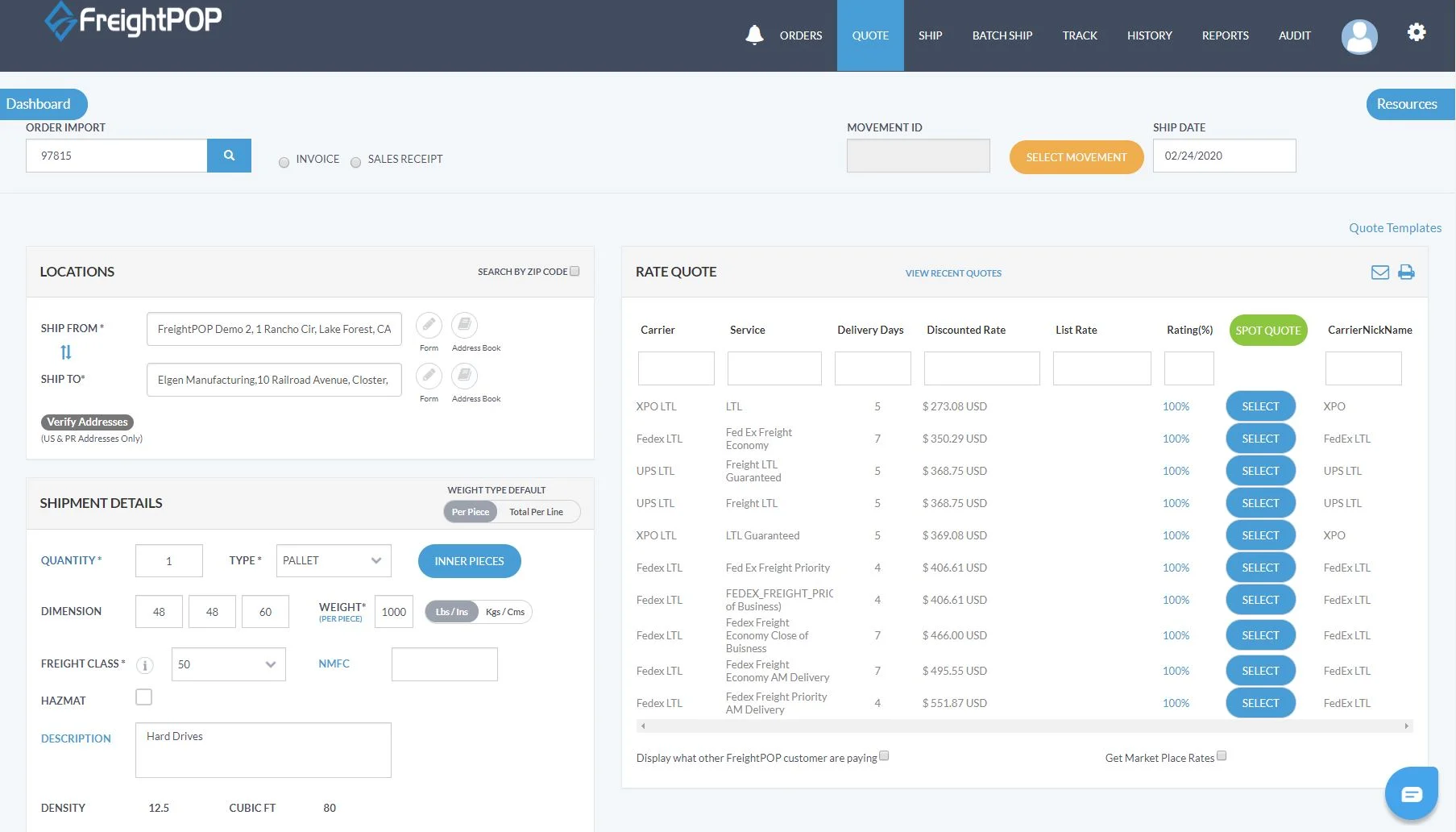
FreightPOP centralizes quoting, booking, tracking, and auditing across 1,500+ carriers for mid-market and enterprise shippers, with AI automating exception detection and rate recommendations. Reviewers consistently cite responsive support as a differentiator.
Reviews: Capterra 4.7, reviews
Enterprise TMS & Supply Chain Suites
CargoWise One | cargowise.com
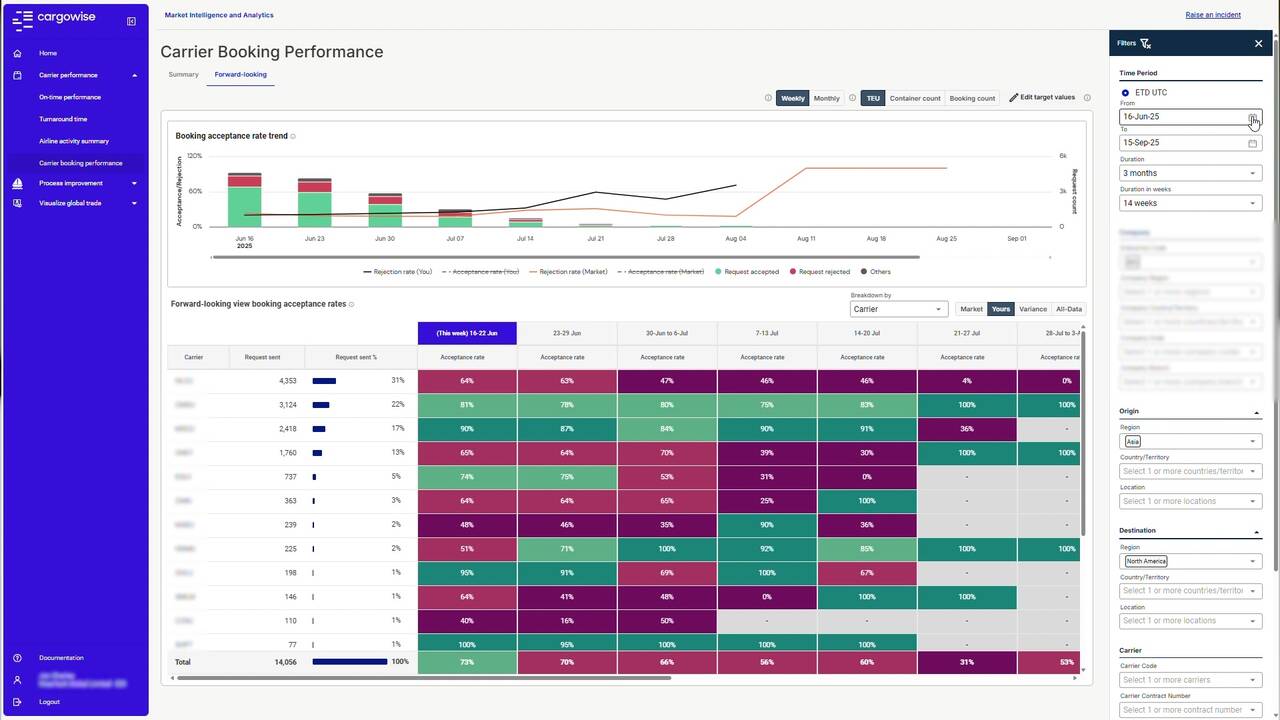
CargoWise is WiseTech Global's flagship platform for the world's largest freight forwarders and 3PLs, combining freight forwarding, customs compliance, warehousing, and transport management in one database. It carries a genuinely low Capterra score, with reviewers repeatedly flagging steep costs, complex billing, and slow support.
Reviews: Capterra 2.9, 32 reviews
Alpega TMS | alpegagroup.com

Alpega is a major European TMS provider covering transport planning, freight procurement, and carrier collaboration for shippers running multi-country networks. Note for linking: Capterra lists this product as "Alpega (Transwide)," not "Alpega TMS."
Reviews: Capterra, reviews
Aptean TMS | aptean.com

Aptean TMS, built on the TOTALogistix platform, serves SMB to mid-market shippers across LTL, truckload, air, and ocean modes from its Alpharetta, Georgia base. Note for linking: Capterra lists this product as "TOTALaccess," the legacy TOTALogistix branding.
Reviews: Capterra, reviews
Magaya Supply Chain | magaya.com
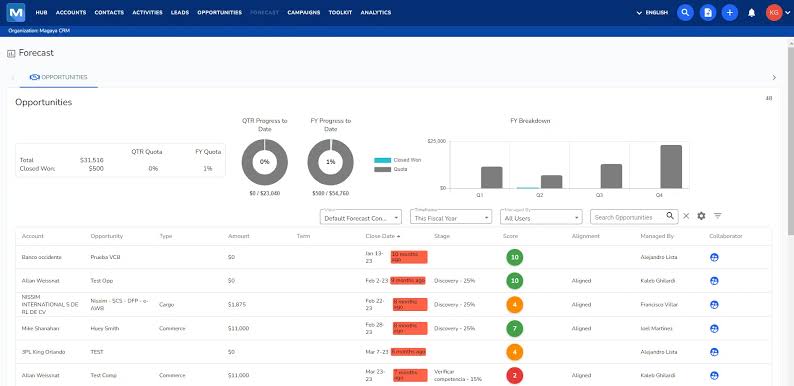
Magaya is an all-in-one platform for freight forwarders and logistics providers, spanning warehouse operations, freight forwarding, and accounting in a single database. Note for linking: Capterra lists this product as "Magaya Cargo System."
Reviews: G2, reviews · Capterra, reviews
Infor Nexus | infor.com
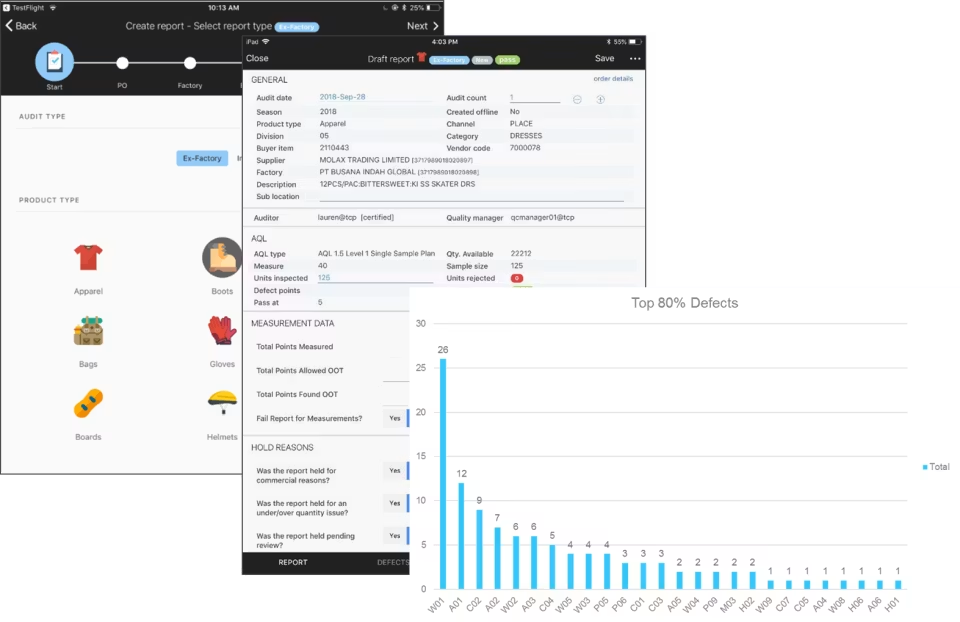
Infor Nexus is a global trade and transportation management network connecting supply chain partners for enterprise shippers with complex international operations. It is licensed rather than self-serve, positioned at the top of the market.
Reviews: Capterra profile
Kinaxis Transportation Planning | kinaxis.com

Kinaxis integrates transportation planning into its broader Maestro supply chain planning platform, aimed at enterprises that want transport decisions connected to demand and inventory planning rather than siloed. Note for linking: transportation planning is a module inside the platform; Gartner reviews it under "Kinaxis Maestro Platform," formerly RapidResponse.
Reviews: Gartner Peer Insights
IBM Sterling TMS | ibm.com
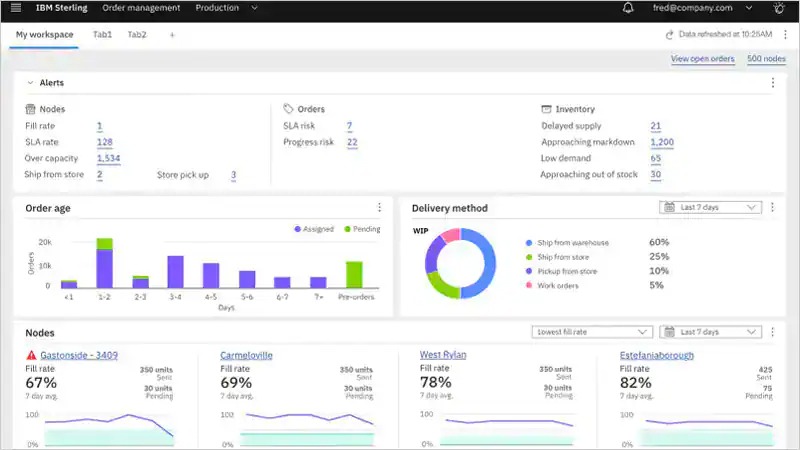
IBM Sterling's transportation optimization suite targets large enterprises needing freight planning tightly integrated with IBM's broader supply chain and order management stack. It is an enterprise procurement decision, not a self-serve signup.
Reviews: Gartner
Freight Visibility & Digital Freight
project44 | project44.com

project44's Movement platform aggregates real-time tracking across ocean, air, rail, and road for enterprise shippers managing complex multi-carrier networks, with predictive ETAs and exception alerts. Reviewers consistently rate it above competitors on support quality and ease of setup.
Reviews: G2, reviews
FourKites | fourkites.com
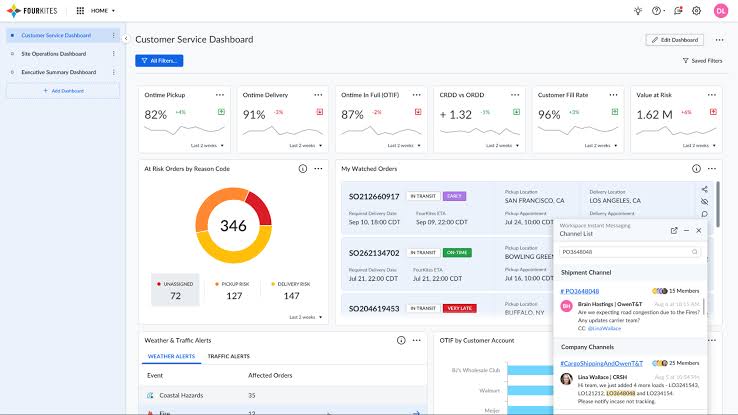
FourKites is a real-time visibility platform for Fortune 500 supply chains, processing over 3 million shipment events daily and extending visibility into yards and warehouses, not just transit. Reviewers consistently praise ease of use, though a few flag carrier compliance gaps affecting tracking accuracy.
Reviews: G2 4.5, 270 reviews
GoComet | gocomet.com
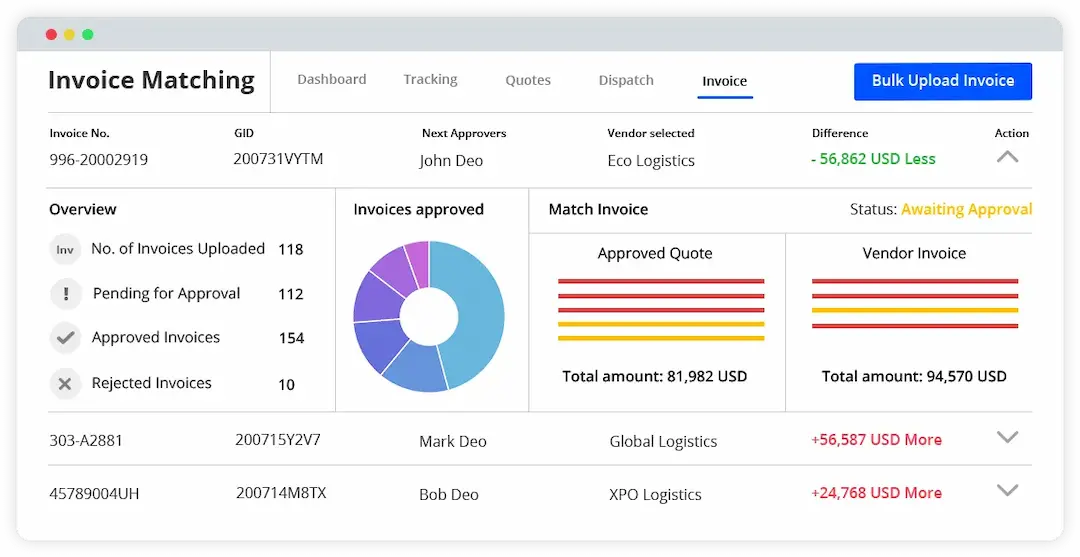
GoComet is an AI-powered visibility platform automating freight procurement, invoice auditing, and shipment tracking for global brands across 35 countries. It consistently outranks competitors like project44 in head-to-head G2 comparisons on support quality.
Reviews: G2 4.9, reviews
Pando | pando.ai

Pando is an AI-powered logistics orchestration platform built on an enterprise-grade TMS and a supply chain knowledge graph, managing the full freight lifecycle from procurement to audit and payment. Reviewers praise ease of use and fast support response, with a few noting occasional duplicate records.
Reviews: G2, reviews
Gnosis Freight | gnosisfreight.com
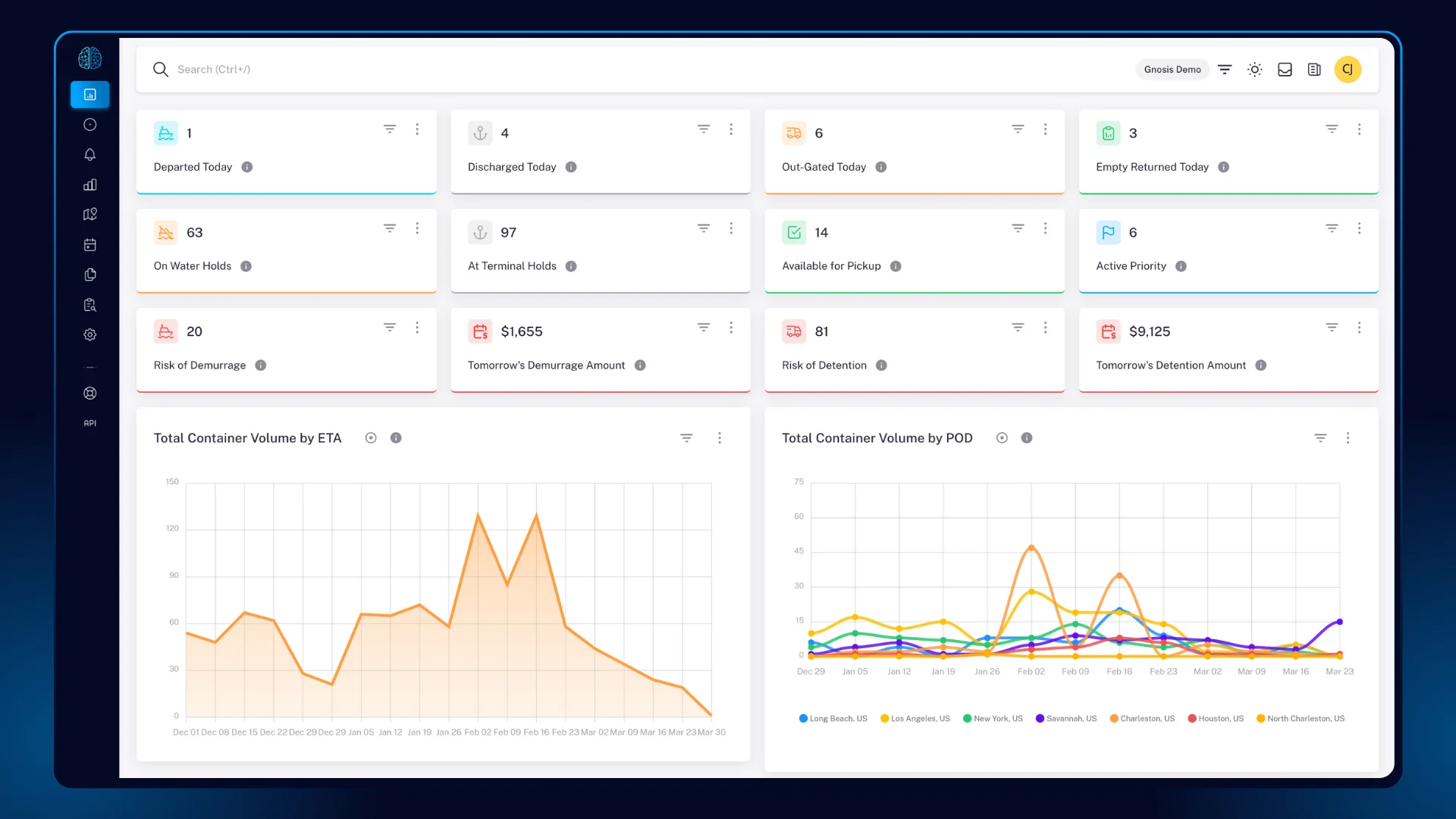
Gnosis Freight is a Container Lifecycle Management platform giving enterprise shippers and 3PLs container-level visibility from booking to empty return, sourced directly from ports, terminals, and rail carriers rather than third-party aggregators. Reviewers highlight ease of use and strong customer support, with a small number citing occasional slow loading.
Reviews: G2 4.9, 128 reviews
Loadsmart | loadsmart.com
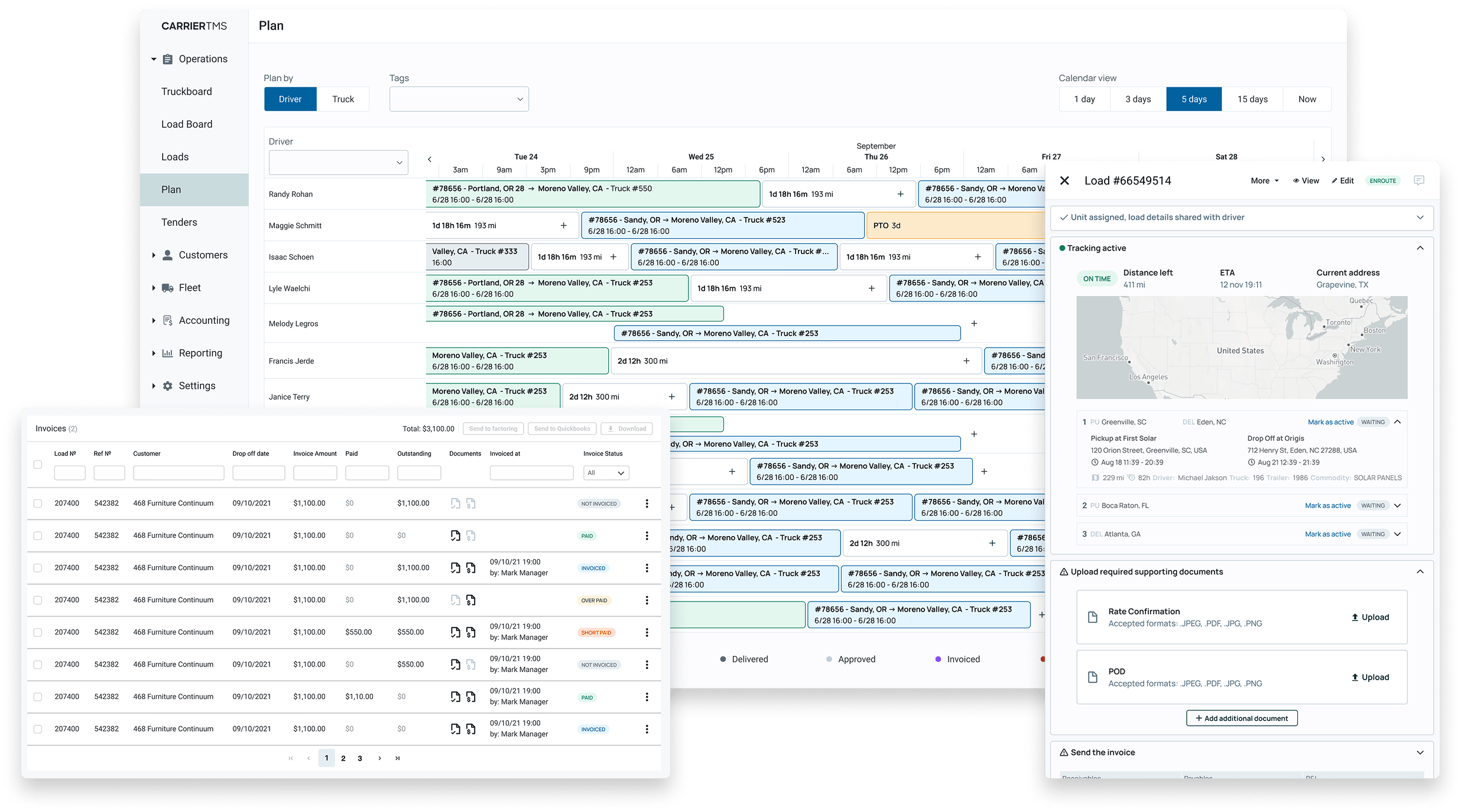
Loadsmart is a digital freight platform combining managed transportation with its ShipperGuide TMS for shippers who want automated tendering without legacy enterprise complexity. It is used primarily by mid-market and growing enterprise shippers replacing spreadsheets and email-based freight processes.
Reviews: G2, 98 reviews
Uber Freight | uber.com/freight
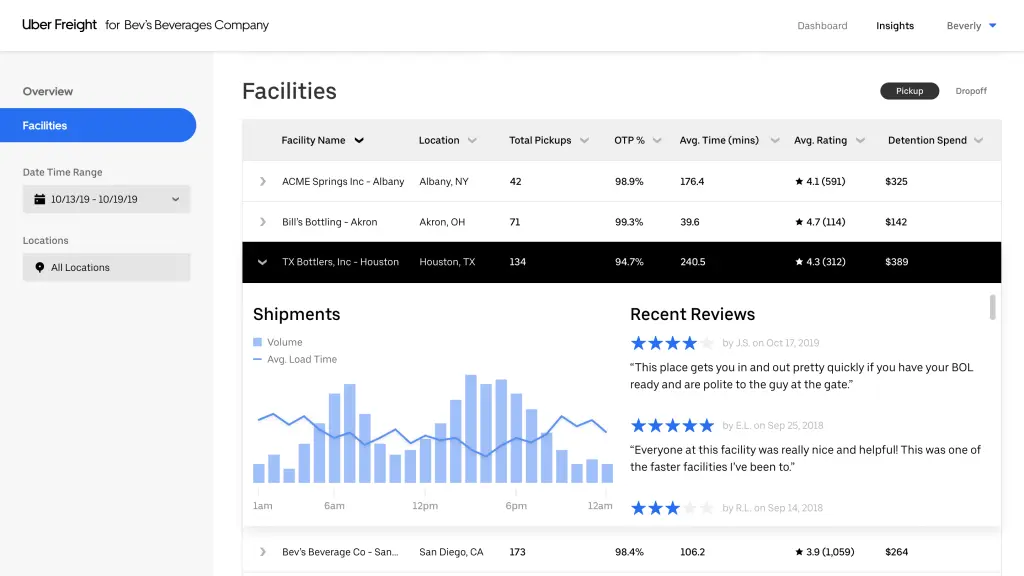
Uber Freight is a digital freight brokerage and managed transportation platform that absorbed Transplace's enterprise operations, giving it both spot-market matching and long-term managed freight capability. Review volume is notably thin for its size and market position.
Reviews: G2 4.1, 15 reviews
Fleet, Last-Mile & Route Optimization
Samsara | samsara.com
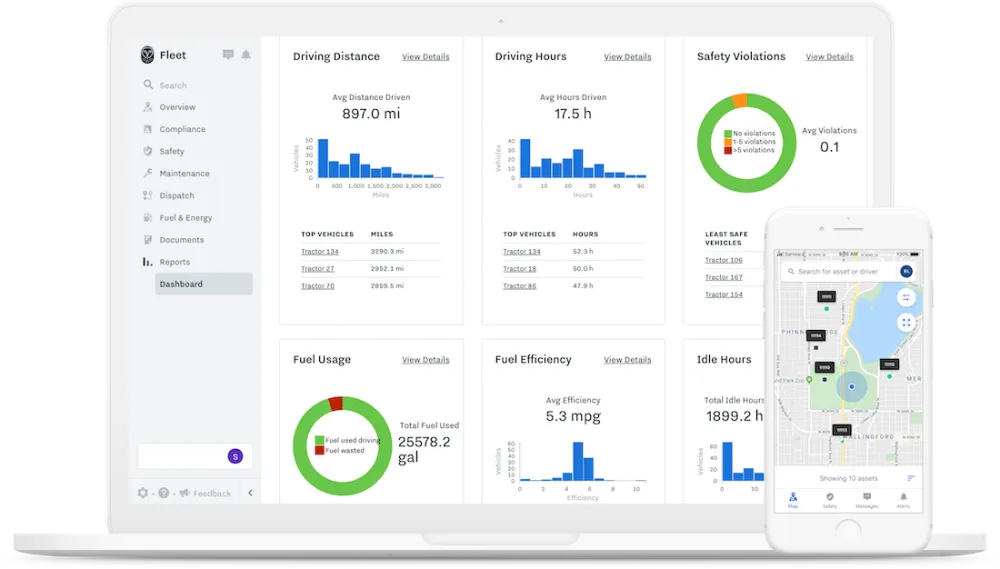
Samsara is the Connected Operations leader for large owned fleets, unifying GPS telematics, AI dashcams, driver safety scoring, and compliance in one platform used well beyond delivery into construction and utilities. Review volume dwarfs every other platform on this list, reflecting its scale.
Reviews: G2, thousands of reviews
FarEye | fareye.com

FarEye is a last-mile and logistics orchestration platform known for a driver app reviewers describe as notably more advanced than comparable tools. Some reviewers note the routing engine struggles with regions using informal or aerial-distance-based addressing.
Reviews: Capterra, reviews
Shipsy | shipsy.ai

Shipsy is a data-driven logistics and supply chain platform based in India, spanning first, mid, and last-mile transportation management, freight procurement, and 3PL operations for 230+ customers globally. Reviewers are split, some calling it powerful and cost-effective, others citing a long onboarding process.
Reviews: G2, reviews · Capterra, reviews
Locus | locus.sh

Locus is an enterprise dispatch and route optimization platform for high-volume, multi-region operations, now part of Ingka Group (IKEA's parent company). It is built for large-scale, multi-hub logistics rather than single-depot operations.
Reviews: G2 4.4, 57 reviews
Route4Me | route4me.com

Route4Me is one of the most downloaded route planning apps globally, with 2 million-plus downloads and strong multi-stop optimization and proof of delivery. It works both standalone for individual drivers and dispatched from its web platform for larger fleets.
Reviews: G2 4.7, 126 reviews · Capterra 4.4, 401 reviews
OptimoRoute | optimoroute.com
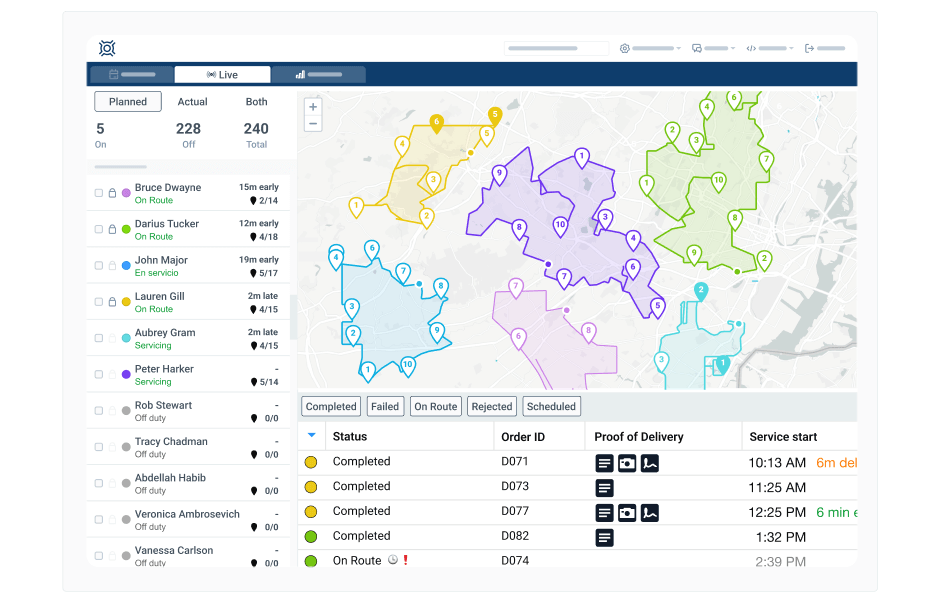
OptimoRoute handles constraint-heavy routing other tools cannot: multi-day routes, mixed pickup and delivery, and skills-based assignment, on per-driver pricing. Reviewers note a real learning curve balanced against strong optimization quality.
Reviews: G2 4.8, 53 reviews · Capterra 4.6, 240 reviews
Driv.in | driv.in

Driv.in is a route planning and transport execution platform positioned for operations needing route optimization alongside execution tracking, appearing on Capterra's route planning shortlist.
Reviews: Capterra profile
Frequently Asked Questions
What is the best logistics management software in 2026?
It depends on the problem: AscendTMS or Freightview for freight brokerage, CargoWise or Aptean for enterprise multi-mode suites, project44, FourKites, or GoComet for visibility, Samsara for fleet oversight, and SuiteFleet for last-mile execution that needs to stay connected to an ERP.
How is logistics management software different from a TMS?
A TMS is one category within logistics management software, focused on carrier selection, load tendering, and freight settlement. Logistics management software is the broader umbrella that also includes warehouse systems, fleet management, last-mile delivery software, and supply chain visibility platforms.
What logistics software integrates best with an ERP?
SuiteFleet offers the deepest native ERP integration for last-mile delivery, with prebuilt bidirectional connectors for NetSuite, SAP, Salesforce, Odoo, Dynamics, Shopify, and WooCommerce, returning delivery status and cost in real time without middleware.
What is the best free logistics software?
AscendTMS is the most fully-featured free option, with a genuine free tier for up to three users covering load management, dispatch, and accounting, though reviewers note operations tend to outgrow it around five trucks.
When Logistics Data Needs to Reach the ERP
Every platform in this guide solves its category well. None of them close the loop between execution and the financial, inventory, and order systems the business depends on automatically. SuiteFleet connects last-mile delivery execution to the ERP layer so delivery status, proof of delivery, and cost update the systems the business runs on the moment a job completes.
By Karim Badawy | Updated July 2026