Top 11 Delivery Scheduling Software in 2026
Delivery scheduling software is not one category. The platform that solves a trucking carrier's hours-of-service problem is not the one a Shopify merchant needs to schedule same-day courier routes, and neither fits an enterprise retailer coordinating owned vehicles and third-party carriers. This guide ranks 11 platforms and maps each to the leg of the delivery journey it was built for: first-mile, mid-mile, last-mile, and e-commerce.
At its core, delivery scheduling software answers which driver or carrier handles a job, in what time window, and in what sequence, then manages execution through tracking, proof of delivery, and data return to the source system. The variable that separates good implementations from expensive ones is integration depth: whether the platform pushes delivery status, POD, and cost back to the ERP, or leaves you reconciling by hand.
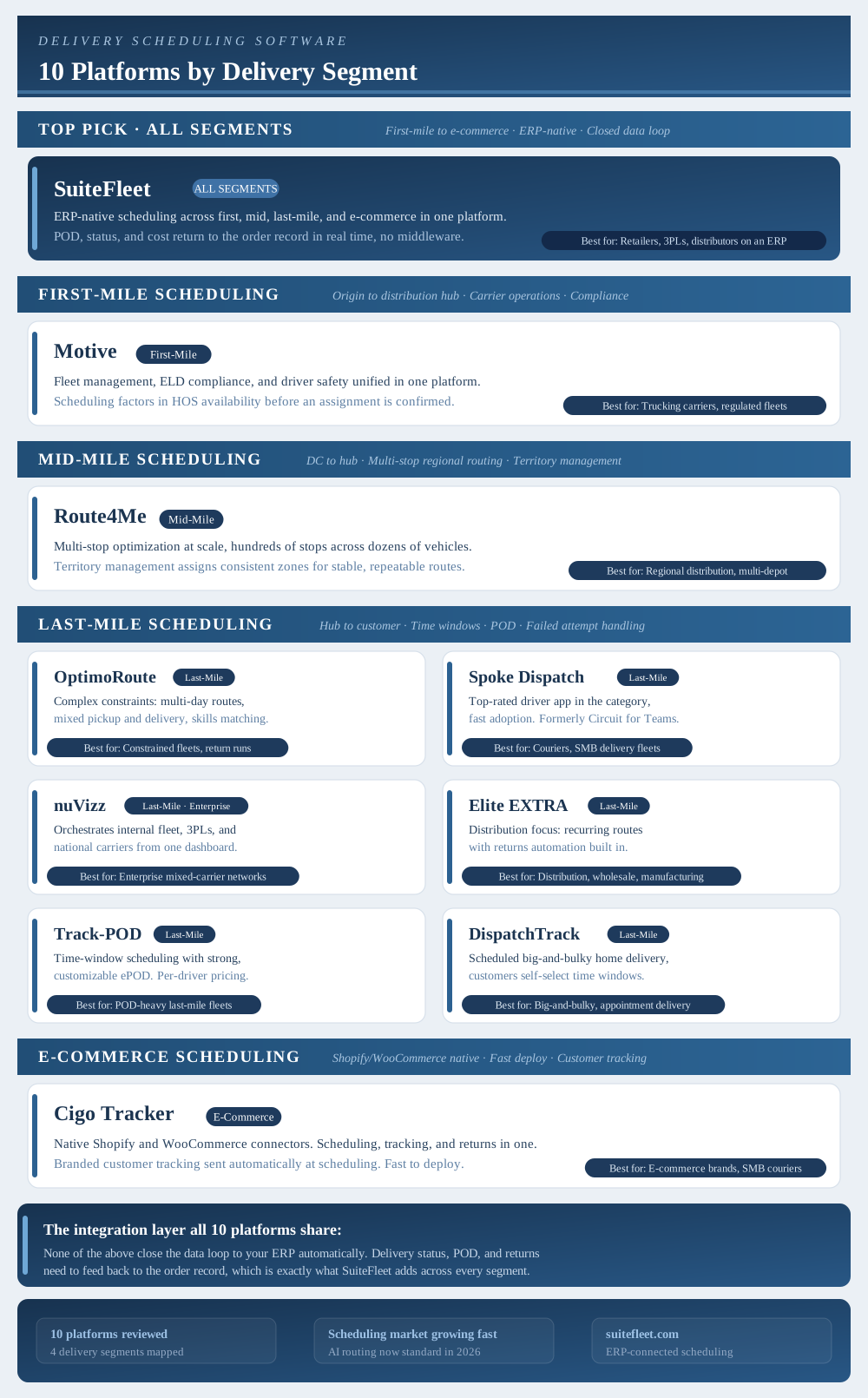
[keep the infographic here, alt text: "Delivery scheduling software by segment: first-mile, mid-mile, last-mile, and e-commerce platform comparison"]
1. SuiteFleet | suitefleet.com
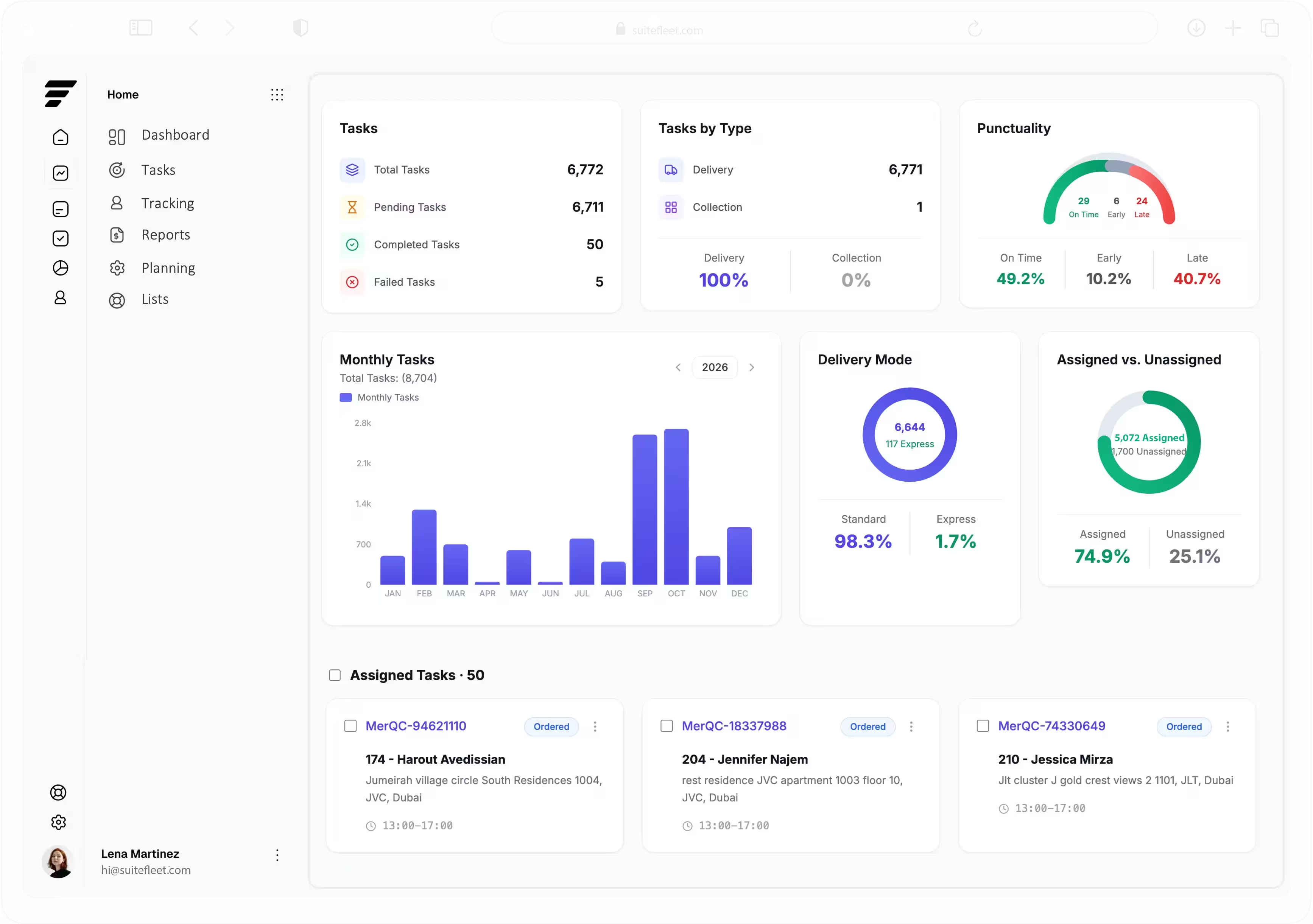
Built natively on Oracle NetSuite, SuiteFleet is delivery scheduling software that closes the loop most tools leave open: orders flow in, routes and drivers are scheduled, and proof of delivery, status, and cost flow back to the ERP in real time without middleware. It handles owned fleets, 3PL, and hybrid models across every segment in one platform, so the scheduling layer and the system of record never drift apart.
- ERP-native connectors: NetSuite, SAP, Salesforce, Odoo, Microsoft Dynamics, Shopify
- All-segment scheduling across first, mid, last-mile, and e-commerce
- Closed loop: POD, status, and cost return to the order record in real time
Best for: retailers, 3PLs, and distributors that need scheduling wired into the ERP rather than bolted alongside it.
Screenshot: SuiteFleet dispatch/scheduling dashboard (use your own product assets)
Delivery Scheduling Software for First-Mile
2. Motive | gomotive.com
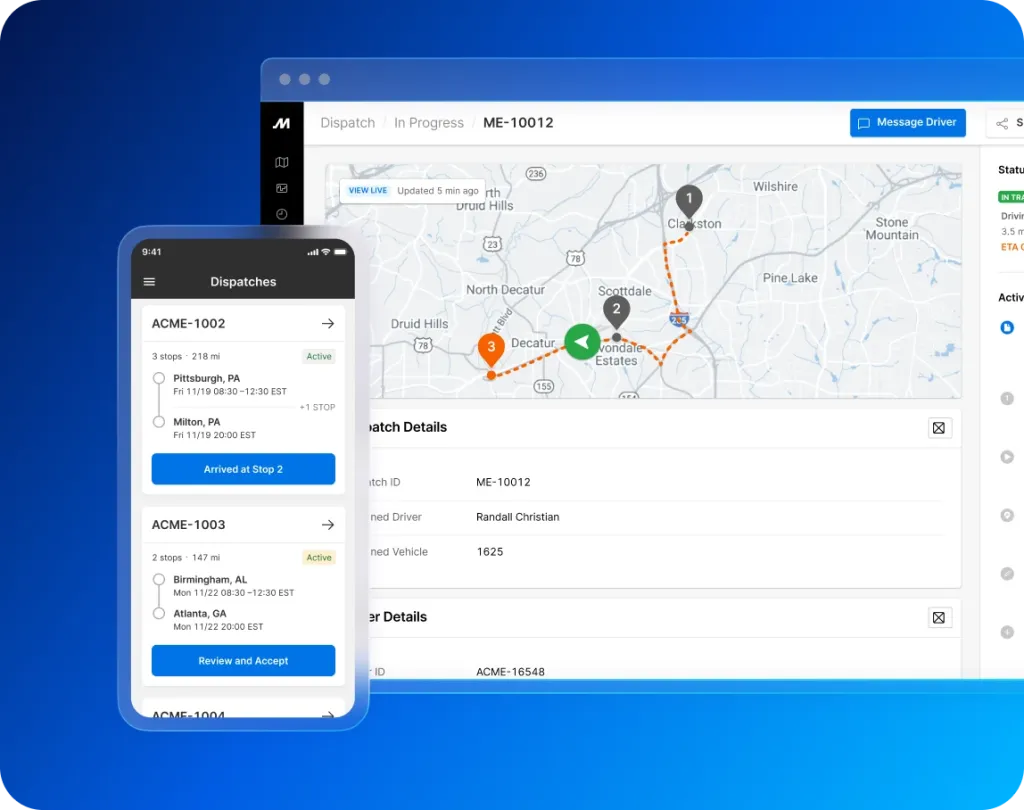
Motive unifies fleet management and scheduling for DOT-regulated carriers, with ELDs, AI dashcams, and hours-of-service data feeding every assignment. When a load is scheduled, the system already knows the driver's HOS status and vehicle records, so it flags violations before dispatch rather than after a driver is on the road.
- HOS-aware assignment, live GPS and ETAs, in-app driver messaging
- ELD and safety data feed scheduling decisions
- TMS and 3PL API connectors
Best for: trucking carriers, owner-operators, and regulated fleets where DOT compliance is a scheduling constraint.
Delivery Scheduling Software for Mid-Mile
3. Route4Me | route4me.com
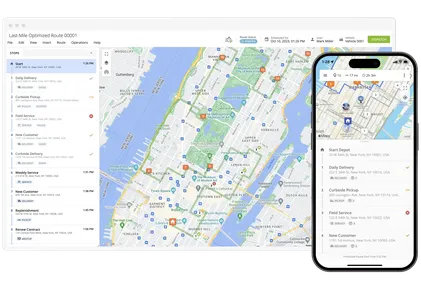
Route4Me handles high-volume multi-stop scheduling across regional fleets, processing hundreds of stops and dozens of vehicles per cycle under time-window, capacity, and territory constraints. Territory management keeps drivers in consistent zones instead of re-optimizing from scratch each day.
- Multi-stop optimization at scale, territory management, dynamic re-scheduling
- Driver app with navigation and POD
- API with ERP connectors
Best for: multi-depot distribution and field-service fleets scheduling large multi-stop volumes.
Delivery Scheduling Software for Last-Mile
4. OptimoRoute | optimoroute.com
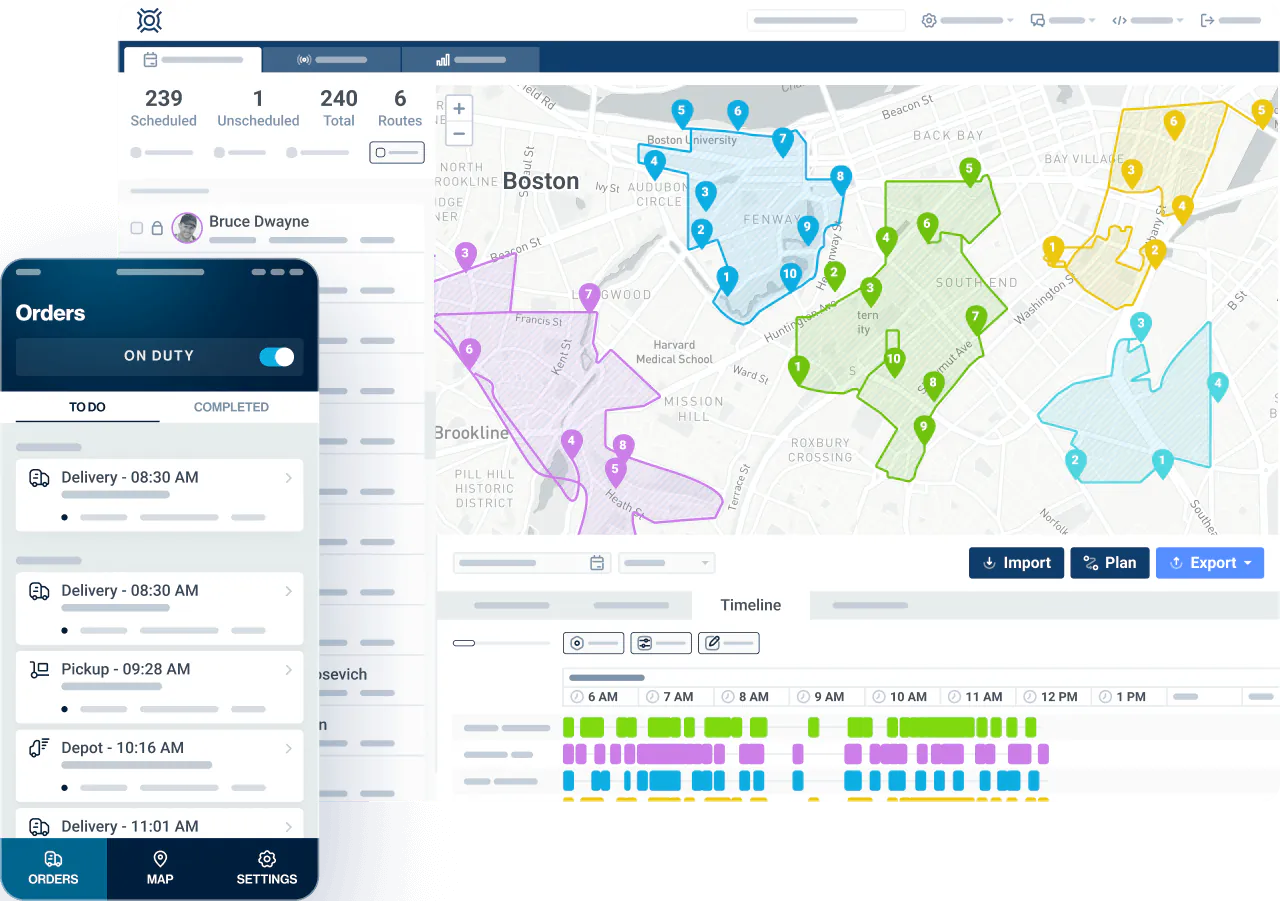
OptimoRoute handles scheduling constraints simpler tools cannot: multi-day routes, mixed pickup and delivery, return logistics, and skills-based assignment. It fits fleets where standard tools produce poor schedules because the routing has unusual rules, like temperature windows or certification matching.
- Multi-day scheduling, mixed pickup and delivery, skills and vehicle matching
- Live tracking with automated customer ETAs
- API-first, connects to ERP and OMS
Best for: last-mile fleets with complex, constraint-heavy scheduling.
5. Spoke Dispatch (formerly Circuit for Teams) | spoke.com/dispatch
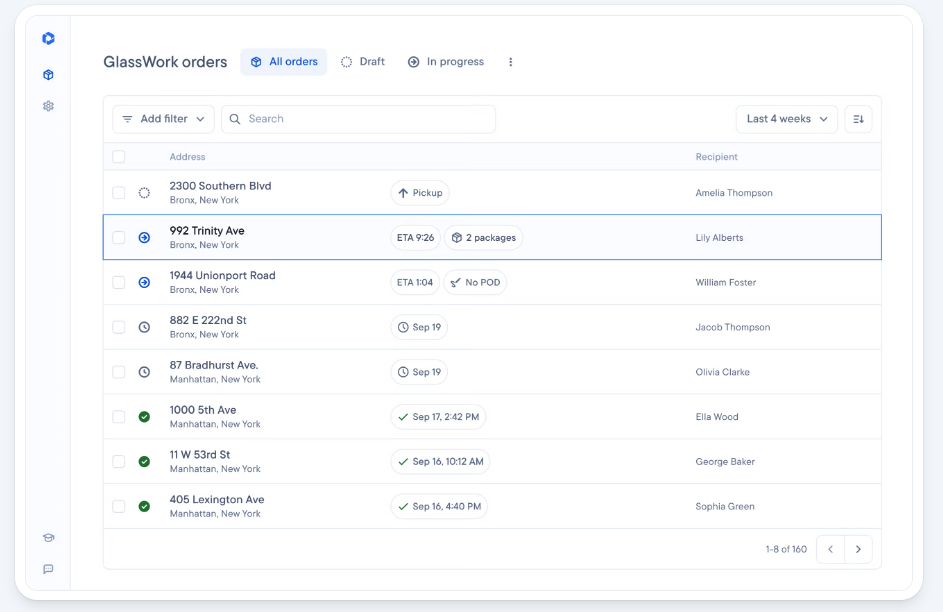
Rebranded from Circuit for Teams in late 2025, Spoke Dispatch is built around driver-app quality, consistently among the highest-rated in the category for fast adoption with little training. Dispatchers bulk-import stops, schedule routes in minutes, and push live ETAs to customers, while drivers capture POD without friction. It runs in over 20 languages, including Arabic.
- Highly rated driver app, bulk stop import, live ETAs
- POD with photo and signature
- Shopify, Zapier, and REST API
Best for: courier companies and SMB fleets where driver adoption and clean execution matter more than heavy constraint handling.
6. nuVizz | nuvizz.com
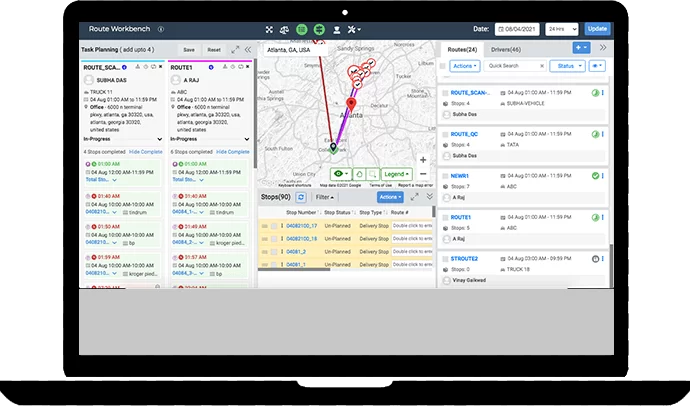
nuVizz orchestrates scheduling across internal fleet, regional 3PLs, and national carriers from one dashboard, with SLA monitoring and consistent customer communication regardless of who delivers. The problem it solves is carrier selection and tendering, not route math alone.
- Carrier orchestration, AI dynamic routing, WISMO reduction
- SLA monitoring by carrier, region, and delivery type
- Enterprise ERP, WMS, and TMS connectors
Best for: enterprises scheduling across mixed internal and third-party carrier networks.
7. Elite EXTRA | eliteextra.com
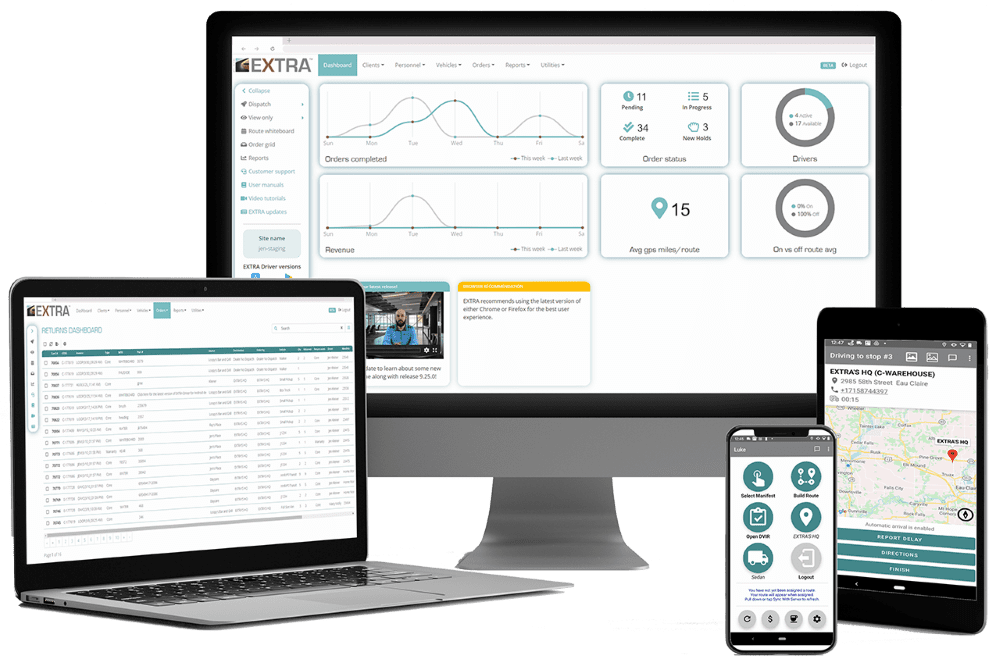
Elite EXTRA is built for distribution, wholesale, and manufacturing delivery: recurring routes, account-based schedules, mixed loads, and returns handled inside the same workflow rather than bolted on separately.
- Recurring-route scheduling plus dynamic daily assignment
- Returns automation in the same workflow
- ERP and WMS integration
Best for: distribution and wholesale fleets running recurring scheduled routes with integrated returns.
8. Track-POD | track-pod.com
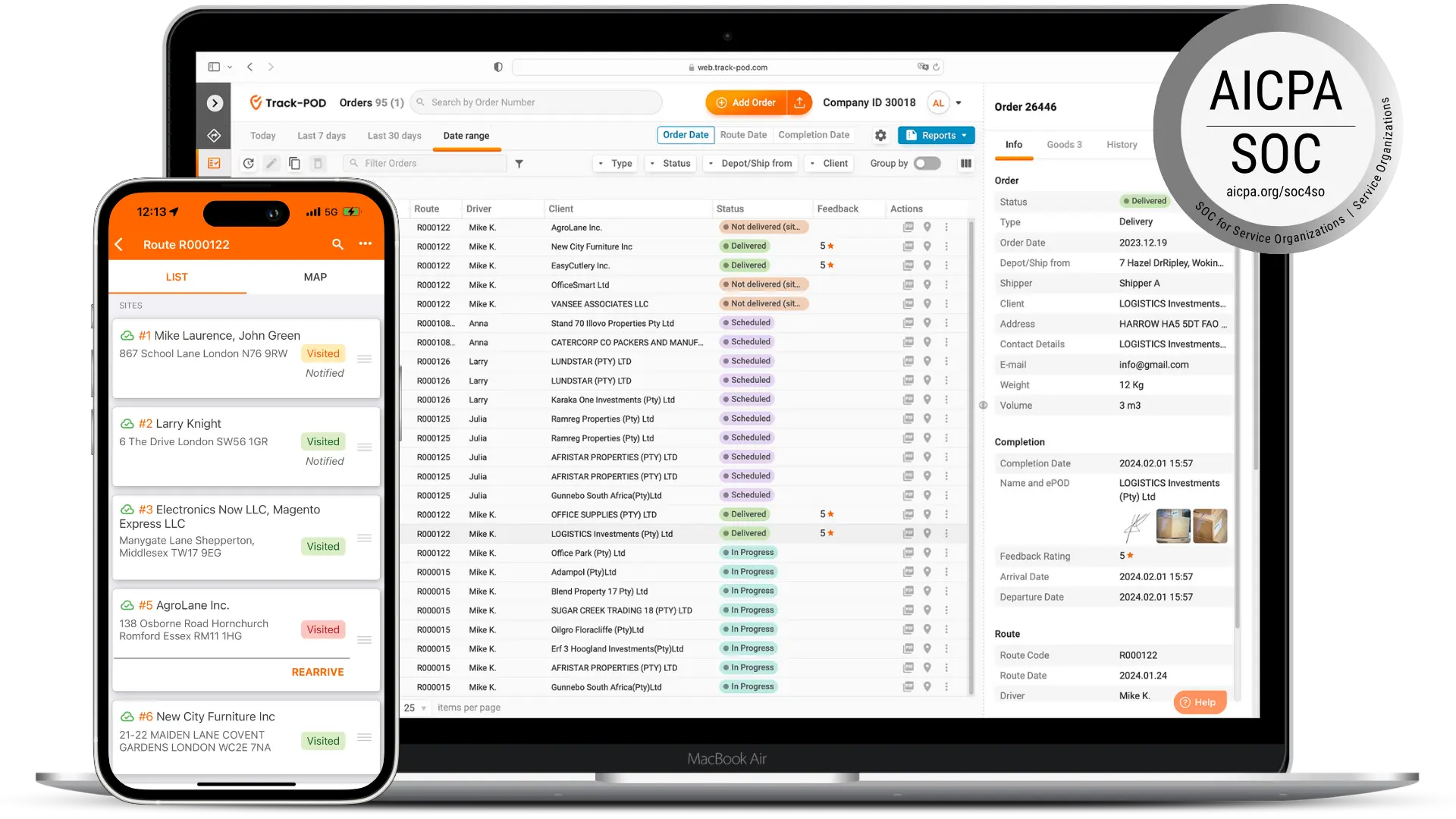
Track-POD pairs delivery scheduling with strong electronic proof of delivery in one affordable platform, on predictable per-driver pricing. Time-window scheduling, live tracking, and customizable ePOD (photos, signatures, checklists) come standard.
- Time-window scheduling, route optimization, live tracking
- Customizable ePOD and customer notifications
- Shopify, WooCommerce, API; per-driver pricing from about $35
Best for: last-mile fleets that want scheduling plus detailed ePOD without enterprise pricing.
9. DispatchTrack | dispatchtrack.com
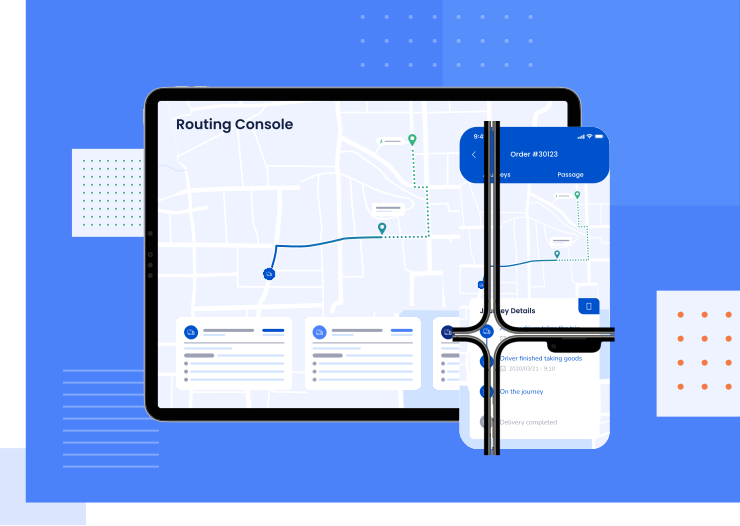
DispatchTrack specializes in scheduled home delivery, letting customers self-select delivery time windows that the platform then schedules and optimizes. That makes it a strong fit for big-and-bulky, furniture, and appliance operations where the appointment itself is the product.
- Customer self-scheduling of time windows, route optimization
- Real-time tracking and proactive notifications
- Enterprise ERP and OMS integration
Best for: big-and-bulky and appointment-based operations centered on customer self-scheduling.
10. Onro | onro.io
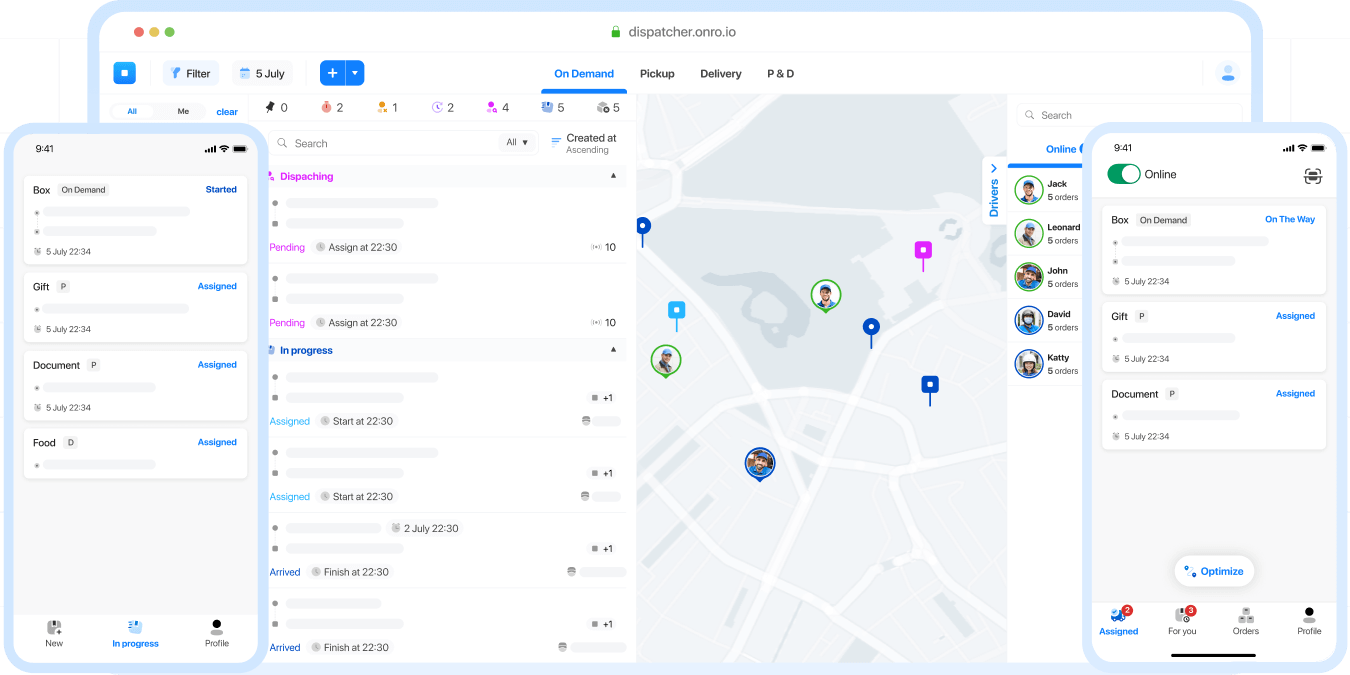
Onro combines scheduled and on-demand delivery management in one courier platform. Dispatchers plan orders in advance, optimize routes, and automatically assign drivers, while driver and customer apps support delivery execution and tracking.
- Advance scheduling, route optimization, and automatic dispatch
- Live tracking and proof of delivery with photos and signatures
- Branded customer portal, notifications, and driver app
Best for: courier businesses managing scheduled and on-demand deliveries that need dispatch, driver tools, and customer tracking in one platform.
Delivery Scheduling Software for E-Commerce
11. Cigo Tracker | cigotracker.com
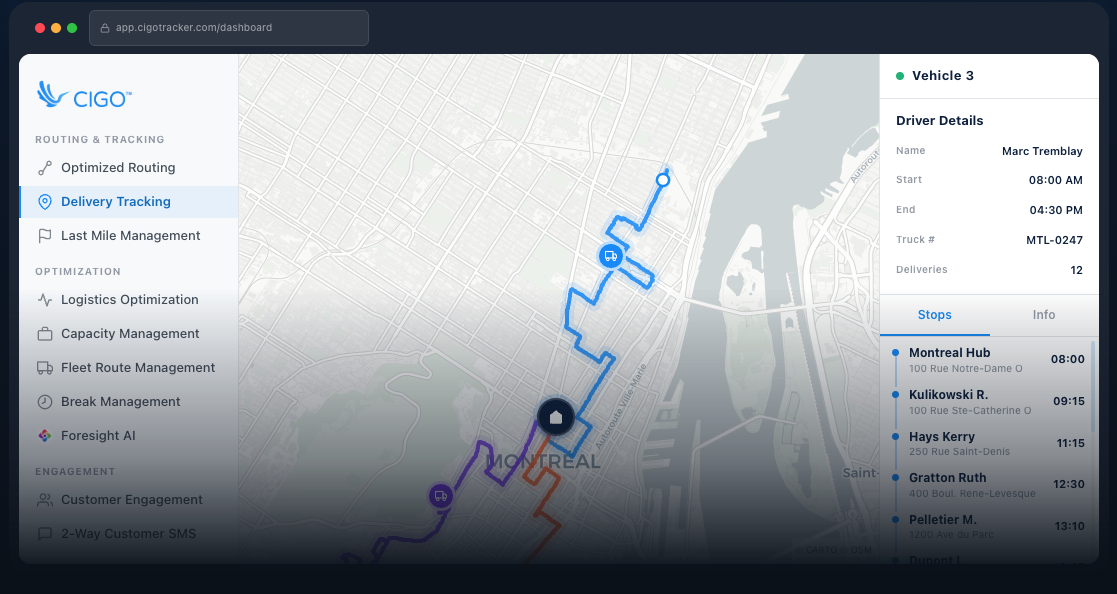
Cigo Tracker is fast-to-deploy e-commerce delivery scheduling with native Shopify and WooCommerce connectors that pull orders automatically and schedule jobs without manual entry. Dispatch, branded customer tracking, and returns sit in one affordable tool.
- Native Shopify and WooCommerce, REST API
- Automated scheduling from incoming orders
- Branded tracking portal and returns scheduling
Best for: e-commerce brands and SMB couriers needing fast setup with native storefront integrations.
The Integration Layer Most Listings Skip
Every platform here handles delivery scheduling well within its lane. The gap most comparisons skip is what happens after the schedule runs: whether completion data, proof of delivery, cost, and return status flow back into the systems the rest of the business depends on. When delivery status does not update the order record, finance cannot invoice, customer service cannot resolve disputes without calling a dispatcher, and inventory stays wrong until someone reconciles by hand. The platforms above solve execution. The question for any ERP-run operation is whether that execution connects cleanly to the ERP or needs middleware to close the loop.
Frequently Asked Questions
What is delivery scheduling software?
Delivery scheduling software determines which driver or carrier handles a job, in what time window, and in what sequence, then manages execution through real-time tracking, proof of delivery, and data return to the source system. Modern platforms optimize across driver availability, capacity, time windows, and traffic at once, and the strongest connect that execution back to the ERP so outcomes update order records automatically.
Which delivery scheduling software works best with an ERP?
SuiteFleet is the most deeply integrated option for ERP-connected operations. Ready-made connectors for NetSuite, SAP, Salesforce, Odoo, Microsoft Dynamics, Shopify, and WooCommerce pull orders in automatically and return confirmed delivery data, including POD and returns, in real time without middleware. nuVizz also offers enterprise ERP and TMS connectors for large mixed-fleet environments.
What is the best delivery scheduling software for last-mile?
It depends on the model. SuiteFleet is strongest for ERP-connected fleets needing same-day POD back in the ERP. OptimoRoute suits complex constraints like mixed pickups and multi-day windows. Spoke Dispatch wins when driver adoption is the priority. DispatchTrack fits appointment-based big-and-bulky delivery, and Elite EXTRA fits distribution running recurring routes with returns.
How does delivery scheduling software integrate with Shopify?
Through a native Shopify connector or REST API. Spoke Dispatch, Cigo Tracker, Track-POD, and SuiteFleet all offer direct Shopify integration, so orders are pulled in, scheduled, and dispatched, with status returned to the Shopify order. For merchants also running an ERP, SuiteFleet connects to both Shopify and the ERP from one scheduling event.
What delivery scheduling software is best for enterprise fleets?
For mixed internal and third-party carrier networks, nuVizz is purpose-built for orchestration and SLA monitoring. SuiteFleet is strongest when ERP integration depth is the priority. For compliance-heavy first-mile, Motive is the enterprise-grade choice for DOT-regulated carriers.
Delivery Scheduling That Feeds Back Into Your ERP
Across first-mile, mid-mile, last-mile, and e-commerce, the platforms above each solve scheduling within their lane. What they do not fully solve is whether the ERP that runs your business knows what happened after the driver left the depot. SuiteFleet connects delivery scheduling across all segments to the ERP systems operations teams already run on, so assignment, tracking, proof of delivery, and return status feed back to the order record automatically.